Waking up to the sound of squishing fabric beneath your feet or the sight of a widening puddle across your living room floor is an instant recipe for panic. For budget-conscious homeowners, that initial shock is immediately followed by a secondary wave of anxiety: How much is this going to cost me? Water disasters are chaotic, stressful, and notoriously expensive. If you aren’t careful, they can completely drain your emergency savings in a matter of days.
However, a water disaster doesn’t have to mean financial ruin. Your insurance coverage exists for exactly this reason, but getting them to cover the full cost of repairs requires a strategic, informed approach. Insurance companies are businesses, and their adjusters are trained to look for loopholes, delayed actions, and paperwork errors to minimize their payouts. If you want to protect your home and your wallet, you have to know exactly how to play the game.
This comprehensive guide will pull back the curtain on the claims process. We will walk you through the critical steps to take from the very first hour of a leak to the final day of reconstruction. By understanding how to document the damage, manage contractors, and maximize your policy limits, you can successfully navigate the restoration process without breaking the bank.
Stop the Flow and Document Every Drop
The first hour of a water emergency is a frantic race against the clock. What you do in these sixty minutes will directly dictate whether your insurance claim gets approved or flatly denied. Before you worry about calling adjusters or getting repair estimates, your absolute priority must be damage control.
Every second water flows into your home, your eventual repair bill skyrockets. You need to know the location of your main water shut-off valve before an emergency ever happens. If you live in a colder climate, it is typically in the basement or crawlspace; in warmer climates, it is often near the street in a plastic utility box. Turn it clockwise to cut off the supply completely. If the water is coming from a structural source like a roof failure during a severe storm, do what you safely can to throw down tarps or buckets, but never put your physical safety at risk.
Once the active flow is halted, resist the urge to immediately throw away ruined items and mop up the mess. To get every penny you are owed, you need airtight, undeniable proof of the disaster. Treat your home like a crime scene. Grab your smartphone and start recording video and taking high-resolution photos of absolutely everything.
- Capture the macro views of entire rooms to show the scope of the flooding.
- Get close-up shots of the specific point of failure, such as a split pipe, a burst appliance hose, or an overflowing plumbing fixture.
- Photograph the water marks on baseboards and drywall to prove how high the water rose.
- Document damaged personal property, including furniture, electronics, and books, before moving them to a dry area.
After capturing the initial evidence, you must address the source of the breakdown. Insurance companies require proof that the failure was sudden and accidental rather than the result of long-term neglect. Hiring a licensed plumber to assess the situation and perform the immediate repair is crucial. Ask them to write a detailed invoice specifying exactly what failed. A professional write-up stating that a high-quality pipe suddenly ruptured due to a pressure spike is pure gold when an adjuster tries to claim the leak was caused by years of unaddressed rust or poor maintenance. Keeping a clear paper trail from this initial trade response establishes the foundation for a successful water damage repair claim.
Read Between the Lines of Your Coverage Limits
Once the immediate crisis is contained, it is time to dig up your paperwork and look at what your specific policy actually covers. Many homeowners assume that any water inside the house is automatically covered. Unfortunately, insurance policies are riddled with exclusions, sub-limits, and conditional clauses that can catch you completely off guard.
The single most important distinction in the insurance world is “sudden and accidental” versus “gradual.” If a washing machine supply line snaps and floods your laundry room in twenty minutes, that is sudden and accidental, and your homeowners’ insurance policy will almost certainly pay for the cleanup and restoration. However, if a pipe behind a shower wall has been slowly dripping for eight months, rotting out the framing and causing floor warping, the adjuster will likely deny the claim. They will argue that it was your responsibility to notice and repair the slow leak as part of routine home maintenance.
Another critical factor is the origin of the water. Standard policies cover internal source water, but they strictly exclude rising groundwater from external sources, such as an overflowing river or heavy rain saturating the soil and seeping into your basement. For external flooding, you need a completely separate policy through the National Flood Insurance Program.
However, if high winds rip shingles off your roof or smash a window, allowing rainwater to pour directly into your ceiling, this is treated differently. This falls under storm damage restoration coverage. In these scenarios, you must prove that the structural breach occurred first, directly allowing the weather elements to compromise your dry interior spaces.
When reviewing your declarations page, pay close attention to these key terms:
- Deductible: The amount you must pay out of pocket before insurance coverage kicks in. For weather catastrophes, this may be a percentage of your home’s total value rather than a flat dollar amount.
- Dwelling Coverage (Coverage A): The total budget available to rebuild the physical structure of your home, including walls, ceilings, and built-in components.
- Personal Property (Coverage B): The fund allocated to replace your movable belongings, like furniture, clothes, and electronics.
- Loss of Use: A highly valuable clause that pays for your hotel stays and additional food expenses if your home becomes completely uninhabitable during the drying and reconstruction process.
Choose Certified Experts Without Breaking the Bank

With the claim filed, the clock starts ticking on mitigation. Mitigation is the process of extracting standing water, removing unsalvageable materials, and running industrial dehumidifiers to dry out the structural framing. You cannot afford to wait around for the insurance company to send an adjuster out to look at the house before starting this step. In fact, your policy explicitly states that you have a legal “duty to mitigate.” If you leave standing water alone for three days while waiting for an adjuster, and the damage doubles in scope, the insurance company can legally refuse to pay for that additional destruction.
Shortly after reporting the claim, your insurance company will likely offer to send out one of its preferred vendors. While this sounds convenient, you need to proceed with caution. Preferred vendors have pre-negotiated rate agreements with the insurance company. This means their primary loyalty often lies with the corporation paying them millions of dollars in recurring contract work, not with you. They may be incentivized to cut corners, use fewer drying fans, or rush the process to keep the insurance company’s costs down.
You have the legal right to hire any independent water restoration service you want. The key is finding a company that will advocate for your home’s health while remaining within the pricing structures that insurance adjusters consider reasonable. Look for a team certified by the IICRC (Institute of Inspection, Cleaning, and Restoration Certification). This certification ensures they follow strict scientific guidelines for structural drying, using thermal imaging cameras and moisture meters to verify that walls are completely dry before giving the green light for reconstruction.
To protect your budget during this phase, implement the following strategies:
- Request an Itemized Estimate: Ensure the local water restoration company uses Xactimate software. This is the exact same estimating platform used by 90% of the insurance industry. If your contractor’s pricing matches the software’s regional average rates, your insurance company cannot claim the bill is over-inflated.
- Avoid Out-of-Pocket Authorizations: Never sign a contract that allows a mitigation crew to perform arbitrary work without giving you a written price up front. Make sure they agree to bill your insurance company directly.
- Monitor the Equipment: Industrial air movers and dehumidifiers pull a massive amount of electricity. Keep a log of how many machines are placed in your home and how many days they run. Your insurance company should reimburse you for the spike in your monthly utility bill if you provide proper tracking.
Eliminate Hidden Environmental Hazards Safely
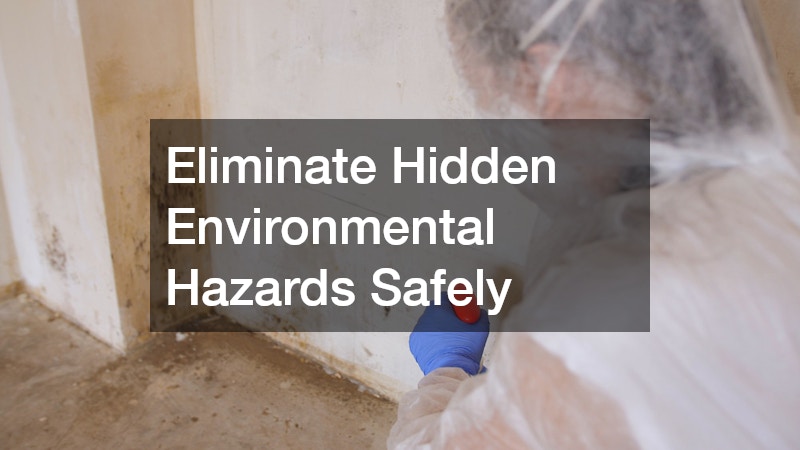
If structural drying is delayed by even twenty-four hours, you run into a secondary, highly invasive threat: fungal amplification. Spores thrive in dark, warm, damp environments, and they can begin colonizing drywall, carpet padding, and wood framing in as little as two to three days after initial exposure to water.
When fungus takes hold, your budget faces a whole new set of complications. Almost every standard home policy includes a strict dollar cap on fungal cleanup. Variable moisture situations can quickly spin out of control. While your primary water damage coverage might climb all the way up to your dwelling limit, the allowance for a mold remediation service is frequently capped at a firm $5,000 or $10,000. If a contractor walks into your home and blindly tears out walls without setting up proper containment, spores will travel through your HVAC system, contaminating the entire property. Cleaning up a whole-house contamination can easily run upwards of $20,000, leaving you to pay the massive balance completely out of pocket.
To protect your health and your financial limits, you must manage this phase with extreme care. First, demand that your remediation contractor set up negative air pressure containment chambers using heavy plastic sheeting and commercial air scrubbers equipped with HEPA filters. This ensures that any disturbed spores are captured instantly and cannot escape into unaffected areas of your home.
Second, be smart about testing. Never hire the same company to test for fungal spores and perform the actual cleanup work. This is a massive conflict of interest. Instead, hire an independent, certified industrial hygienist to perform an initial air quality test. They will provide an unbiased report detailing exactly what areas are contaminated. Once the cleanup crew finishes their work, have that same independent hygienist return to run a clearance test. This independent paperwork acts as absolute proof to your insurance company that the job was done successfully and safely, preventing future liability issues if you ever decide to sell your home down the road.
Stretch Your Replacement Payout for Maximum Value

Once your home is officially certified dry, free of contaminants, and down to the bare studs, you enter the final, most satisfying phase: reconstruction. This is where budget-conscious homeowners have the unique opportunity to make their insurance payout stretch further, occasionally allowing for aesthetic upgrades if managed properly.
When calculating your reconstruction payout, the insurance adjuster uses a principle called “Like Kind and Quality.” This means if your home had standard-grade nylon floor textiles destroyed, they will allocate a budget sufficient to purchase that exact same grade of material today. They will not automatically pay to replace cheap materials with premium solid oak.
However, once the insurance company cuts you a check for the loss value, that money belongs to you to use as you see fit. Traditional solid hardwood floors are beautiful and add incredible equity to a property, but they carry a very high material price tag and poor moisture resistance, meaning they warp easily in future leaks. Engineered planks offer moderate resistance at a slightly lower tier, but they can still be vulnerable to standing pools.
If you want to stretch your payout, you can pivot to completely different options. Choosing a standard carpet is an excellent way to save money, as it features a low average material cost, allowing you to pocket the remaining insurance money or redirect it toward other home repairs. Alternatively, you can opt for luxury vinyl plank flooring, which is highly cost-effective, mimics wood perfectly, and offers total water resistance. By shifting away from high-maintenance natural timber, you can upgrade the room’s overall aesthetic while remaining well under the insurance payout total.
To maximize your construction budget, you must be incredibly disciplined with how you source labor for the final build-back.
- Get At Least Three Bids: Do not just hire the first contractor recommended to you. Secure independent, itemized quotes from local, licensed installers who specialize in floor installation.
- Separate Material Purchases from Labor: Many general contractors add a 15% to 20% markup on the materials they buy for your home. You can bypass this fee completely by going directly to a wholesale flooring liquidator, buying the materials yourself using the insurance payout, and hiring a contractor strictly to handle the labor.
- Verify Insurance and Licensing: A cheap handyman might offer a tempting price, but if they lack proper workers’ compensation and liability insurance, any accidental damage they cause to your home during the installation will not be covered by your carrier, leaving you fully liable for their mistakes.
Dealing with a major water loss inside your home is undeniably one of the most stressful experiences a homeowner can face. The clock is constantly ticking, the terminology is confusing, and the potential out-of-pocket costs can feel completely overwhelming.
However, by treating the disaster systematically, you can fully protect your property and your finances. Focus heavily on immediate containment, document every single square inch of damage with absolute precision, and hire certified professionals who use industry-standard estimating platforms to avoid pricing disputes with your adjuster. Remember that you have the ultimate control over how your final reconstruction funds are spent. With the right strategy, clear communication, and careful material sourcing, you can successfully navigate the insurance maze, restore your home to pristine condition, and keep your hard-earned budget completely intact.