Key Takeaways
- Different materials age at very different rates, so knowing what’s behind your walls is the first step to planning maintenance or replacement
- Discolored water, low pressure, and unexplained spikes in your utility bill are early warning signs that shouldn’t be ignored
- Hard water, soil conditions, and water pressure all play a major role in how fast materials deteriorate
- Older homes built before the 1970s often contain outdated materials that may need full replacement rather than spot repairs
- Routine inspections catch small leaks before they turn into ceiling collapses or foundation damage
- A mix of visible checks and professional assessments every few years is the smartest long-term strategy
- Replacement timing depends more on condition than age alone, so a trusted plumber’s evaluation matters
Most homeowners don’t think twice about the network running behind their walls and under their floors. Water flows when the tap turns, drains empty when the sink fills, and life moves on. That quiet reliability is exactly what makes trouble so easy to miss until it’s expensive.
The truth is, every section of your home’s water system has a shelf life. Some materials outlast the roof over your head. Others start failing before your mortgage is paid off. Knowing which category your home falls into can save you thousands in water damage, mold remediation, and emergency calls.
This guide walks through the real problems homeowners run into, what causes them, and how to spot trouble early. No scare tactics. Just practical information you can act on this weekend.
How Long Do Plumbing Pipes Last in Different Materials?
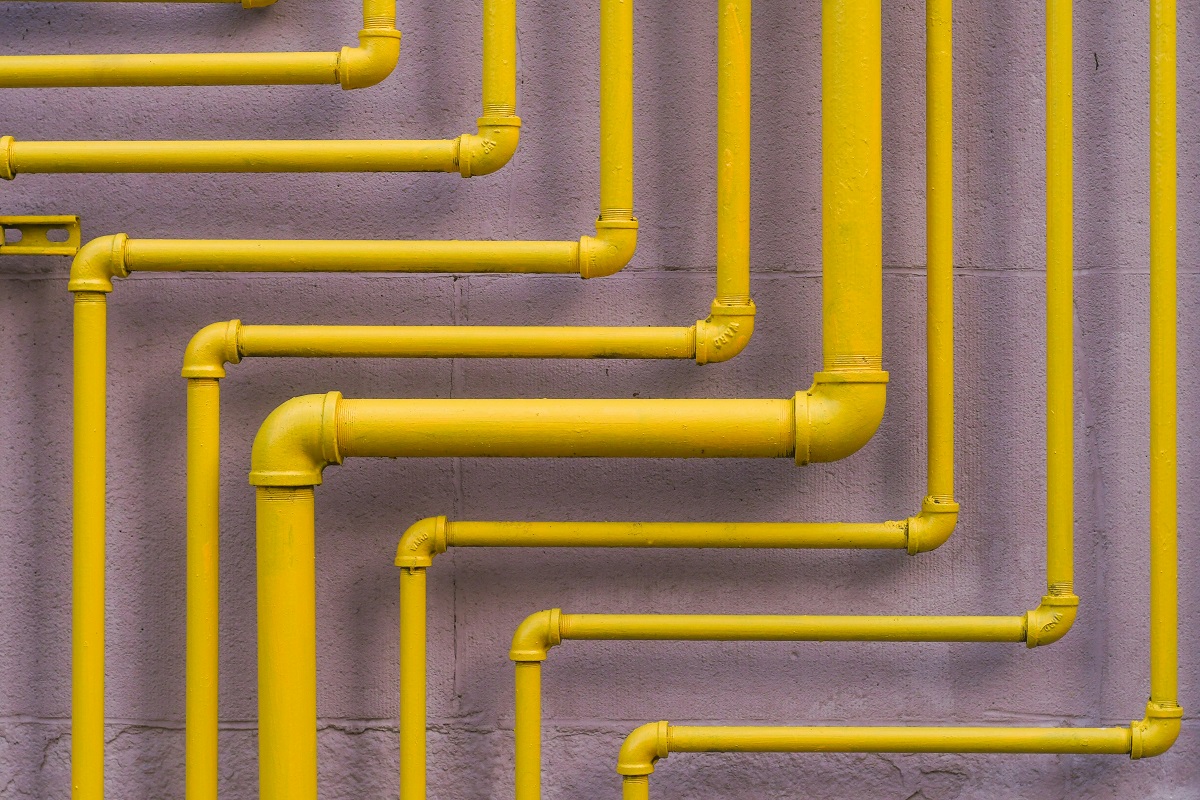
The biggest factor in longevity is what the pipes are actually made of. Homes built in different decades used wildly different materials, and each one ages in its own unique way, responding differently to water chemistry, soil conditions, temperature swings, and the daily wear of use. Understanding the basics helps you know what to expect, when to start watching for warning signs, and whether a partial repair or a full repipe makes more sense down the road. It also helps you make smarter decisions when buying an older home or planning a renovation, since the pipes hidden behind the walls can represent one of the largest long-term maintenance costs you’ll face.
Here’s a quick breakdown of common materials and how they typically hold up:
- Cast iron: extremely durable but prone to rust after many decades, especially in drain lines where standing water sits
- Copper: a longtime favorite known for reliability, with lifespans that can stretch well past 50 years in the right conditions
- PVC: lightweight, corrosion-resistant, and modern, often used for drain, waste, and vent lines
- Galvanized steel: common in older homes but vulnerable to internal rust that slowly chokes off water flow
- PEX: flexible, newer, and increasingly popular in renovations because it resists freezing and is easy to route through tight spaces
- Brass: solid performer often used for fittings and short runs, with a lifespan that can rival copper when alloyed properly
According to Comfort Experts Inc, cast iron piping can serve a home for 75 to 100 years when installed properly and not exposed to harsh conditions. That’s a wide range, and the actual outcome depends heavily on water quality, soil acidity around buried sections, and how the system was maintained over time. Copper also holds up well, often lasting 50 to 70 years or more, though it’s not immune to pinhole leaks as it ages, particularly in regions with acidic or highly mineralized water. Galvanized steel, by contrast, tends to peak around 40 to 50 years before interior corrosion starts restricting flow and discoloring your tap water. PEX and PVC are newer to the scene, with expected lifespans in the 40 to 70 year range, though real-world data is still catching up because many installations haven’t hit their limits yet.
Environmental factors can shift all of these numbers dramatically. A plumbing pipe running through a humid crawl space will age differently than one tucked inside a climate-controlled wall. Hard water leaves mineral buildup that narrows the interior of the pipe over time, while softened water can actually accelerate corrosion in copper if the pH isn’t balanced. Even small details like the quality of the original soldering, the type of fittings used, and whether dissimilar metals were joined without proper dielectric unions can cut years off a system’s expected life.
So when someone asks how long do plumbing pipes last, the honest answer is: it depends entirely on the material, the water running through them, the installation quality, and the environment they sit in. Two identical homes built the same year with the same pipes can end up needing very different repairs twenty years later, simply because of what’s been flowing through them and the conditions around them.
Warning Signs Something Is Going Wrong
Your home will almost always give you hints before a full-blown failure. The trick is recognizing them for what they are instead of brushing them off as quirks. A faint stain under a sink or a slow drip might feel minor, but these little clues often point to bigger issues forming underneath.
Visual Clues You Can Spot Yourself
Walk through your home once a month with fresh eyes. Open cabinets under sinks, check around toilets, look at exposed basement lines, and peek at ceilings below bathrooms. You’re looking for water marks, bulging drywall, rust streaks, white mineral crust, and anything that looks damp when it shouldn’t be.
Common red flags include:
- Brown, yellow, or rust-tinted water from any faucet
- Low water pressure that gets worse over months
- Unexplained puddles or damp spots on floors or walls
- Metallic taste in your drinking water
- Banging or knocking sounds when you shut off a tap
- Utility bills creeping up with no change in household use
What Your Nose and Ears Can Tell You
A musty smell in a cabinet or corner usually means moisture is hiding somewhere. Running water sounds when nothing is turned on point to a leak behind a wall or beneath a slab. These sensory clues are easy to miss but worth taking seriously. Tackling small pipe fixes early almost always costs a fraction of what a flood repair would run.
Why Materials Break Down Faster Than Expected
Even high-quality installations don’t reach their full lifespan if conditions work against them. Several factors accelerate wear, and most homeowners have no idea they’re even happening until the damage shows up.
Hard water is one of the biggest culprits. Minerals like calcium and magnesium build up inside lines, narrowing the channel and forcing the system to work harder. Over time, that buildup corrodes the inner walls and weakens joints. Highly acidic water does the opposite, eating away at copper and causing those dreaded pinhole leaks that drip slowly behind drywall.
Soil chemistry matters too. Homes with pipes running through clay-heavy, salty, or chemically treated soil often see outdoor lines fail decades earlier than expected. Tree roots also love to find tiny cracks and pry them wide open.
According to Angi, PVC pipes are estimated to last more than 100 years under typical conditions, which makes them one of the most durable options available for modern construction. Still, even PVC can fail early if exposed to UV light, extreme temperature swings, or physical damage during landscaping work.
When Repair Stops Making Sense and Replacement Takes Over
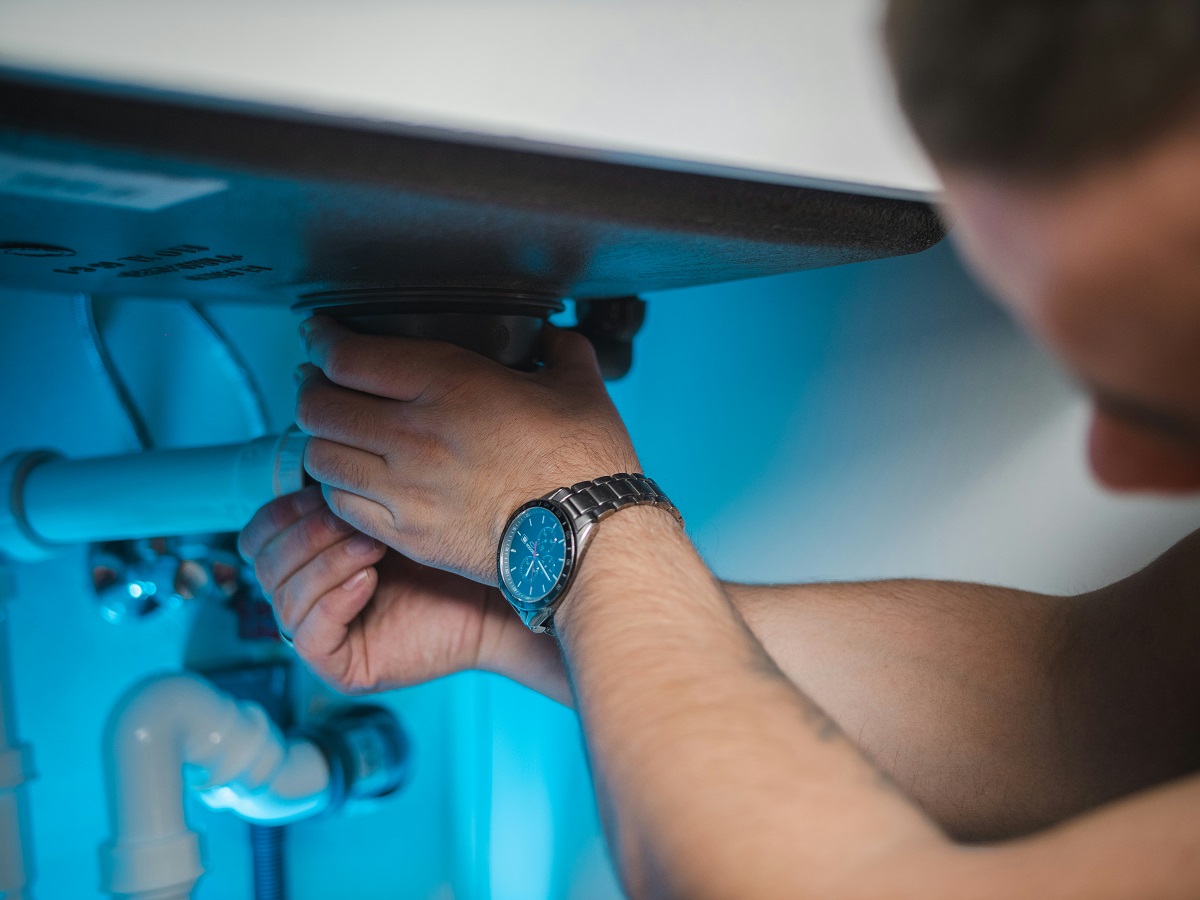
At some point, patching one leak after another becomes a losing game. If you’re calling a plumber every few months, the system is telling you something. Repairs cost money each time, and they don’t fix the underlying issue, which is a plumbing pipe network that has simply reached the end of its useful life.
Consider full replacement when you see any of these patterns:
- Multiple leaks in different parts of the house within a year
- Water that stays discolored even after running for several minutes
- Pressure problems that persist after fixture cleaning
- Visible corrosion on exposed sections throughout the home
- A house built before 1970 with original materials still in place
- Insurance premium hikes tied to water damage claims
The Age Factor in Older Homes
Houses built decades ago often used galvanized steel, which was the standard at the time. According to Drain Express, galvanized steel typically lasts 20 to 50 years, while copper can push past 50 and PVC generally runs in the 25 to 40 year range. If your home still has original galvanized lines and it’s pushing 60 or 70 years old, you’re well past the expected window. Replacement isn’t a question of if anymore, it’s when.
How to Keep Your System Running Strong Longer
Maintenance isn’t glamorous, but it works. A few simple habits can add years to what you already have and give you early warning when something starts to slip. The goal isn’t perfection. It’s awareness.
Start with these practical steps:
- Schedule a professional inspection every three to five years
- Install a water softener if you have hard water
- Check your water pressure with a gauge and keep it between 40 and 60 PSI
- Insulate exposed lines in basements, attics, and crawl spaces
- Know where your main shutoff valve is and test it twice a year
- Avoid harsh chemical drain cleaners that corrode interior walls
Keeping pressure in check is one of the most overlooked moves. High pressure feels great in the shower but puts constant stress on joints and fittings. A simple pressure regulator installed near your main line can dramatically slow wear acrossthe entire system.
Smart Habits That Prevent Big Repairs
Beyond the technical fixes, how you use your system day to day plays a huge role. Small changes in behavior protect the network far more than any single product or gadget ever will.
- Run hot water through drains weekly to clear grease buildup
- Catch hair in shower drains with inexpensive strainers
- Never flush wipes, even the ones labeled flushable
- Drain and flush your water heater once a year to clear sediment
- Watch for seasonal shifts that can stress outdoor lines during freezes
Little things add up. A homeowner who spends ten minutes a month checking fixtures and listening for odd sounds will almost always catch problems earlier than someone who waits for a ceiling stain to appear.
When to Call a Professional Instead of Going It Alone
Plenty of maintenance tasks fall squarely in the DIY category. Swapping a washer, tightening a supply line, or snaking a slow drain are all reasonable Saturday projects for most homeowners. But there’s a clear line where guesswork turns into expensive mistakes, and knowing where that line sits protects both your wallet and your home.
Call a licensed plumber when any of the following show up:
- A leak you can hear but can’t locate
- Sewage odors anywhere in the home
- Water pooling near your foundation after rain stops
- Any repair involving gas lines or water heater venting
- Repeated clogs in the same drain despite clearing attempts
- Discolored water that returns after a full flush of the system
A good professional brings cameras, pressure testing gear, and years of pattern recognition that homeowners simply can’t match. Paying for one solid diagnostic visit often reveals issues that would have cost ten times as much had they been left to fester.
Choosing the Right Plumber for an Honest Assessment
Not every contractor looks at an aging system the same way. Some push for full replacement at the first sign of trouble. Others patch endlessly without flagging deeper concerns. The sweet spot is a plumber who inspects thoroughly, explains what they find in plain language, and gives you options rather than ultimatums.
Ask for references, check licensing, and get written estimates for any major work. If a quote feels rushed or vague, keep looking. The right person will walk you through exactly what they see and why they’re recommending the approach they are.
The Bottom Line
Your home’s water system is one of those things you don’t think about until you have to, and by then the problem is usually bigger than it needed to be. A little attention spread across the year goes further than any emergency fix ever will. Knowing what materials are in your walls, what signs to watch for, and when to bring in help turns a stressful unknown into something manageable.
Every house is different. A 1950s bungalow with original lines faces a completely different timeline than a 2010 build with modern materials. The habits that protect both, though, are nearly identical: look closely, listen carefully, address small issues quickly, and schedule professional eyes on the system every few years.
Take one weekend this month to walk through your home with a flashlight and a notebook. Check under every sink, around every toilet, and across every exposed run you can find. Whatever you spot, deal with it now rather than later. That single habit, repeated a few times a year, is the difference between decades of quiet reliability and a surprise call to a restoration company.