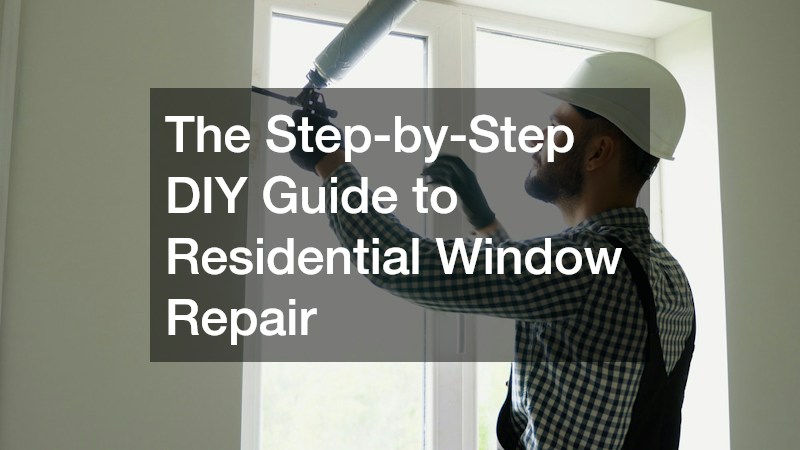
Residential window repair can seem daunting, but with the right information and tools, it can become a straightforward DIY project. This article provides a comprehensive guide to help you effectively tackle window repairs on your own.
What are the common types of window damage?
Identifying different types of window damage
A detailed examination of various window damages including cracks, chips, and drafts, and how to identify them. Recognizing the specific type of damage is crucial in determining the appropriate repair method.
Cracks often occur due to physical stress or temperature fluctuations, while chips may result from direct impact. Drafts typically indicate sealing issues, leading to energy inefficiency and discomfort in your home.
Understanding the extent of the damage helps in choosing between repair and replacement. Proper identification ensures that you address the root cause rather than just the symptoms.
Causes of window damage
Exploring the common causes, such as weather conditions, age, and physical impact, leading to window damage. Severe weather conditions can exacerbate existing vulnerabilities, leading to further deterioration.
Older windows naturally lose their structural integrity over time, making them more prone to damages. Physical impacts, such as hail or objects striking the glass, can result in immediate and visible damage.
Being aware of these causes can help in preventive maintenance and timely repairs. Addressing these factors can prolong the life of your windows and maintain their functionality.
How to assess if your window needs repair or replacement?
Signs that indicate repair
Understanding signs that suggest a window is repairable, from minor cracks to sealant issues. Minor damages, like small cracks or sealant peeling, usually don’t compromise the entire window’s integrity.
Repairing such issues typically involves simple solutions that can be performed with basic tools and materials. Quick intervention in these cases prevents more extensive damage down the line.
Identifying these signs early can save you the cost and hassle of a full window replacement. Timely repairs contribute to energy efficiency and maintain the aesthetic of your home.
When to consider replacement
Criteria for deciding that window replacement is a better option than repair. Windows with extensive frame damage or significant energy inefficiency are typical candidates for replacement.
Severely cracked or multiple-pane windows often require replacement rather than repair due to compromised structural integrity. Replacement becomes necessary when repair costs exceed the price of new windows.
Considering replacement involves evaluating the long-term benefits such as improved insulation and aesthetics. Strategically planning replacements can enhance home value and comfort.
What tools and materials are needed for window repair?
Essential tools for DIY window repair
List and description of necessary tools such as glass cutters, putty knives, and safety gear. Glass cutters are essential for precisely cutting new panes to fit existing frames.
Putty knives help in removing old sealant and applying new materials smoothly around the window edges. Safety gear, including gloves and goggles, ensures your protection during the repair process.
Possessing the right tools not only enhances efficiency but also minimizes the risk of injury. Investing in quality tools is crucial for successful and safe window repair tasks.
Materials and where to source them
Guide on sourcing needed materials like sealant, replacement glass, and glazing points. Local hardware stores often provide a comprehensive range of window repair materials for DIY enthusiasts.
Sealants are available in various formulations, each suited to different types of damage and window materials. Glazing points are used to secure the glass within the window frame, preventing displacement.
High-quality materials ensure durability and long-lasting results, making them a worthwhile investment. Sourcing these materials carefully is vital to achieving a professional finish in your DIY repair project.
What are the step-by-step procedures for fixing a window?
Performing minor repairs
Step-by-step instructions on how to handle minor issues like drafting and small cracks. Start by cleaning the window area to ensure adhesion of repair materials.
Apply sealant to cover small cracks, and use weatherstripping to address drafts. Ensure the repair is even and blends well with the existing framework.
Allow the materials to cure completely, following manufacturer’s instructions for the best results. Regularly inspect the repair area for any signs of recurring issues.
Complex repair techniques
Detailed guide on more complex repairs, including full pane replacement and frame realignment. Begin by safely removing the damaged glass and any remaining sealant.
Measure and cut the replacement glass accurately, securing it with glazing points and applying sealant for a firm fix. Realign frames carefully to maintain structural support and aesthetics.
Test the repaired window for functionality, ensuring ease of use and sealing efficiency. Completeness of each repair step ensures the overall success and durability of the repair.
Window repair is a manageable DIY task that can save you time and money. By understanding the types of damage, knowing when repair or replacement is necessary, and using the right tools and techniques, you can successfully repair your residential windows.