Keeping your home in great condition does not have to drain your savings. The key is consistency. Instead of waiting for something to break, leak, or fail, you can follow a simple seasonal maintenance routine that keeps small issues from turning into expensive emergencies. When you spread tasks throughout the year, they feel manageable, affordable, and far less overwhelming. By staying proactive and organized, you can protect your investment, improve comfort, and avoid the stress of unexpected repairs.
Spring: Inspect and Refresh Exterior Surfaces Before Small Issues Grow
Check for Cracks and Surface Damage After Winter Freeze-Thaw Cycles
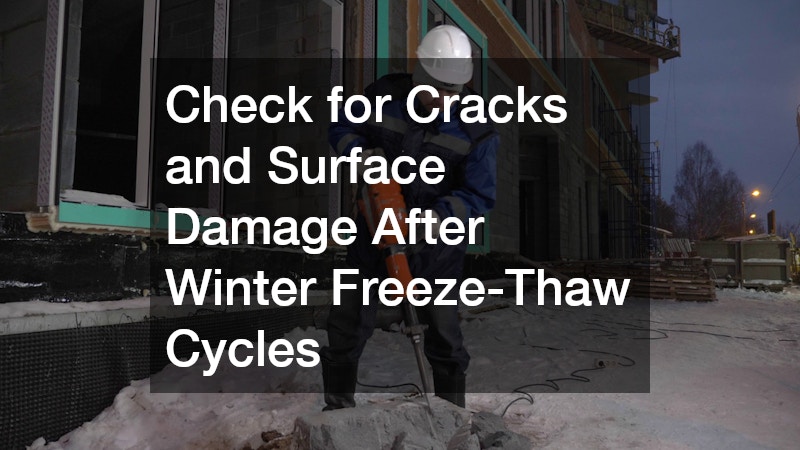
Winter weather can be especially harsh on hard surfaces. As temperatures fluctuate, moisture seeps into small cracks, freezes, and expands. Over time, this cycle weakens concrete and causes noticeable damage. Spring is the ideal time to inspect your driveway, sidewalks, patio, and foundation.
Small cracks can often be filled with affordable patching compounds from your local hardware store. However, if you notice wide gaps, crumbling sections, or shifting slabs, it may be time to schedule concrete repairs before the damage spreads.
Start with a visual inspection:
- Look for hairline cracks that may have widened.
- Check for uneven or sunken sections.
- Examine the edges of steps and slabs for chipping.
- Inspect your foundation for new cracks or separation.
Clean, Seal, and Reinforce Outdoor Living Spaces
Decks and porches take a beating from snow, ice, and constant moisture exposure during the colder months. Freezing temperatures cause wood to expand and contract, which can loosen fasteners, create small cracks, and weaken protective finishes. Spring is the perfect time to restore these surfaces before summer gatherings begin and heavy foot traffic returns. Start by removing all furniture and planters, then clear away leaves and trapped debris from between boards where moisture tends to linger. Sweep thoroughly and use a gentle pressure wash to eliminate built-up dirt, mildew, and algae. Pay close attention to shaded areas and corners where mold growth is more common. Once the surface is clean and dry, inspect for popped nails, loose screws, splintering boards, and soft spots that could indicate early rot.
Resealing wood surfaces every couple of years protects against moisture damage, sun exposure, and premature aging, significantly extending the lifespan of your outdoor living space. Choose a high-quality water-repellent sealant or stain that offers UV protection to prevent fading and cracking during the summer months. Before applying any product, allow the deck to dry completely and sand rough areas for better adhesion. If you discover sagging beams, unstable railings, or shifting support posts, these are signs of deeper structural concerns that should not be ignored. In such cases, consulting experienced deck builders can help you determine whether reinforcement, board replacement, or partial rebuilding is the most cost-effective solution. Addressing structural weaknesses early helps you avoid larger safety hazards and more expensive repairs later on.
Once clean, inspect for:
- Loose or popped nails
- Soft or splintering boards
- Wobbly railings
- Rusted hardware
- Signs of rot at support posts
Spring: Prepare Your Yard for Healthy Growth and Storm Season
Trim Overgrown Branches and Remove Hazardous Limbs

Spring storms can quickly turn overgrown trees into serious hazards. Branches hanging over your roof or driveway may snap during high winds, leading to costly damage. Walk your property and evaluate tree health carefully.
While light trimming can be handled with basic tools, larger or higher branches should be addressed by a local tree service to ensure safety and proper pruning techniques.
Look for:
- Dead or brittle limbs
- Branches touching the roof
- Trees leaning toward structures
- Signs of disease or decay
- Roots disrupting walkways
Refresh Plant Beds and Plan Cost-Conscious Improvements
A well-maintained yard improves curb appeal and reduces long-term maintenance costs by preventing overgrowth and structural plant damage before it becomes difficult to manage. Spring is the ideal time to redefine garden beds, install clean edging, refresh mulch layers, and remove weeds before they spread aggressively. Pulling weeds early prevents them from reseeding and saves hours of labor later in the season. Adding a fresh layer of mulch not only enhances appearance but also helps retain soil moisture, regulate temperature, and suppress new weed growth. Take time to prune shrubs properly, remove dead plants, and divide overcrowded perennials so they can thrive. These simple steps create a healthier landscape while reducing the need for expensive corrective work later.
Thoughtful landscape design can significantly reduce water usage, minimize mowing areas, and eliminate unnecessary upkeep throughout the year. Consider replacing high-maintenance turf sections with ground cover, decorative gravel, or native plants that require less irrigation and fertilization. Installing drip irrigation systems instead of overhead sprinklers ensures water goes directly to plant roots, lowering utility costs. Grouping plants with similar watering needs together also improves efficiency and prevents overwatering. Planning strategically in spring allows you to make intentional, cost-effective decisions rather than reacting to problems mid-season. By designing with sustainability and practicality in mind, you create a yard that looks attractive while remaining affordable and manageable year after year.
Smart improvements include:
- Installing edging to prevent grass spread
- Choosing drought-resistant native plants
- Adding compost instead of synthetic fertilizers
- Replacing high-maintenance shrubs with hardy alternatives
Summer: Protect Cooling Systems and Electrical Efficiency
Schedule an Affordable Cooling Tune-Up Before Peak Heat
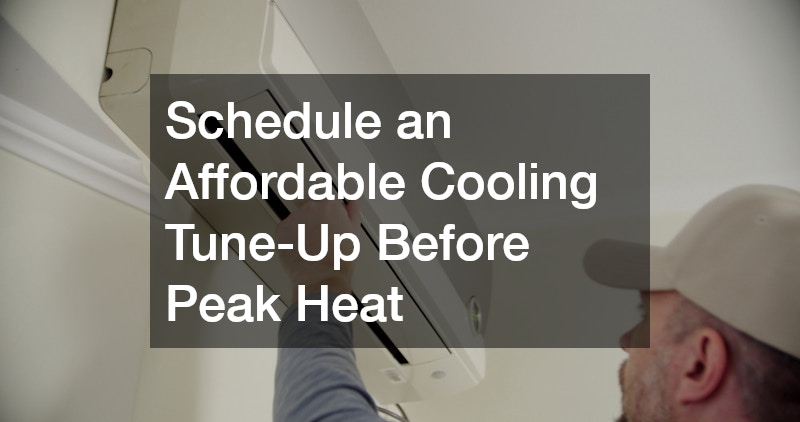
As temperatures rise, your cooling system works harder than at any other time of year. Neglecting maintenance can lead to reduced efficiency, higher utility bills, and unexpected breakdowns.
Routine inspections by reputable HVAC companies ensure refrigerant levels, electrical components, and airflow are functioning properly
Summer checklist:
- Replace air filters every 1–3 months.
- Clear debris around outdoor units.
- Check thermostat accuracy.
- Inspect vents for blockages.
- Listen for unusual noises.
Inspect Outlets, Panels, and Outdoor Wiring for Safety
With fans, air conditioners, and outdoor equipment running more frequently, electrical systems face added strain during the summer months. Conduct a careful walkthrough of your home to identify early warning signs of overload or wear. Check outlets for warmth or discoloration, listen for buzzing sounds near switches or breaker panels, and note any lights that flicker when appliances turn on. Pay special attention to extension cords powering window units or outdoor tools, as overuse can create fire risks. Inspect exterior outlets to ensure weatherproof covers are intact and sealed properly against moisture. Taking the time to evaluate your system during peak usage can prevent sudden outages and costly emergency repairs.
If you notice tripped breakers happening repeatedly, burning smells, or outlets that spark when plugging something in, these are not issues to ignore. Contact licensed electrical companies to diagnose and correct potential hazards before they escalate into serious safety concerns. A professional can assess whether your panel is overloaded, recommend circuit upgrades, or identify outdated wiring that may no longer meet current safety standards. Addressing these problems early is often far more affordable than dealing with electrical fires, damaged appliances, or full system replacements. Proactive inspections help ensure your home remains safe, efficient, and prepared for the increased energy demands of summer.
Watch for:
- Flickering lights
- Warm or discolored outlets
- Frequently tripped breakers
- Extension cord overuse
- Outdoor wiring exposed to weather
Summer: Prevent Water Damage During Heavy Storms
Inspect Attics and Ceilings for Early Moisture Warning Signs

Summer thunderstorms can reveal weaknesses in your roof. Even small leaks can cause insulation damage, mold growth, and structural deterioration.
Simple shingle replacements or sealant applications are far cheaper than full roof replacements. Keep documentation of maintenance for warranty and insurance purposes. Address minor roof repairs promptly to prevent widespread damage.
After heavy rain, check:
- Attic insulation for dampness
- Ceiling stains or bubbling paint
- Missing or curling shingles
- Damaged flashing around vents and chimneys
- Gutter blockages
Monitor Utility Bills and Hidden Plumbing Issues
An unexplained spike in your water bill can indicate a hidden leak. Even small leaks waste water and slowly damage walls, flooring, and foundations.
If you suspect hidden issues, a leak detection service can pinpoint the source without invasive demolition. Detecting leaks early prevents mold remediation and structural repair costs, which can quickly climb into the thousands.
Early signs include:
- Musty odors
- Peeling paint
- Warped flooring
- Damp drywall
- Low water pressure
Fall: Prepare Surfaces and Structures for Colder Weather
Seal Driveways and Walkways Before Temperatures Drop
Fall is ideal for protecting asphalt and paved surfaces before winter freezing begins. Start by clearing debris and power washing your driveway.
Sealing small cracks helps prevent water infiltration. If widespread deterioration is visible, consult professionals about driveway paving options before winter worsens the damage. Regular sealing extends lifespan significantly and postpones expensive full resurfacing projects.
Inspect for:
- Surface cracks
- Fading sealant
- Oil stains
- Potholes forming
Reinforce Roofing and Gutter Systems Before Snowfall
Leaves and debris can clog gutters and cause water to back up under shingles. Fall maintenance reduces the risk of ice dams and structural damage.
Prompt roof repairs in the fall prevent water from freezing and expanding in vulnerable areas during winter. Combine roof and gutter inspections in one service appointment to reduce labor costs.
Action steps:
- Clean gutters and downspouts.
- Secure loose gutter brackets.
- Check flashing and seals.
- Replace damaged shingles.
- Inspect attic ventilation.
Fall: Plan Ahead for Major Changes and Home Transitions
Declutter and Strategically Reorganize Before Winter
Fall is a great time to declutter before spending more time indoors. Clearing unused items reduces strain on storage spaces and makes seasonal transitions smoother.
If you are preparing for renovations or downsizing, professional movers can help coordinate efficient transitions without damaging belongings. Off-season moving rates are often lower, making fall an affordable time for relocation or major rearrangements.
Consider:
- Donating unused furniture.
- Rearranging rooms for better insulation.
- Clearing garages before winter storage.
- Selling unused equipment.
Inspect Outdoor Structures for Structural Stability
Cold weather stresses outdoor structures, especially decks and railings. Examine posts, fasteners, and support beams carefully.
If stability is questionable, consult deck builders to reinforce or repair weak areas before snow and ice increase strain.Reinforcement work costs far less than rebuilding after structural failure.
Look for:
- Loose connections
- Rot at ground contact points
- Wobbly stairs
- Rusted brackets
- Sagging boards
Winter: Protect Systems from Cold-Weather Damage
Maintain Heating Systems for Efficiency and Safety
Your heating system works hardest during winter. Regular maintenance ensures safe and efficient operation.
Routine inspections from HVAC companies help prevent breakdowns during the coldest days. Investing in maintenance reduces emergency service calls, which often come with premium pricing during peak winter demand.
Checklist:
- Replace furnace filters.
- Test carbon monoxide detectors.
- Inspect vents and registers.
- Seal drafts around windows.
- Monitor thermostat performance.
Watch for Ice Damage and Structural Shifts
Freezing temperatures can worsen small cracks in driveways, patios, and foundations. Monitor surfaces after heavy snow or ice accumulation.
Addressing minor damage through timely concrete repairs in late winter can prevent extensive spring restoration costs. Avoid using harsh de-icing chemicals that accelerate deterioration. Choose gentler alternatives when possible.
Look for:
- Expanding cracks
- Surface heaving
- Water pooling after thaw
- Flaking concrete
- Foundation separation
Winter: Safeguard Interiors Against Hidden Risks
Monitor Electrical Load During Holiday Season
Holiday lighting, space heaters, and additional appliances can overload circuits. Pay attention to warning signs during the winter months.
If issues persist, consult licensed electrical companies to evaluate your system’s capacity. Upgrading select circuits can be more cost-effective than managing recurring electrical failures.
Be alert for:
- Frequently tripped breakers
- Buzzing sounds from outlets
- Burning smells
- Warm extension cords
- Dim lights when appliances run
Detect Water Leaks Before They Escalate
Frozen pipes can burst unexpectedly. During cold snaps, check vulnerable areas like basements, crawl spaces, and exterior walls.
If you suspect hidden damage, schedule a leak detection service before moisture spreads. Water damage restoration is significantly more expensive than preventative pipe insulation.
Preventative steps:
- Insulate exposed pipes.
- Allow faucets to drip during extreme cold.
- Seal gaps around plumbing penetrations.
- Maintain consistent indoor temperatures.
Maintaining your home season by season is one of the most effective ways to protect both your property and your finances. Small, consistent efforts prevent larger disruptions and create a safer, more comfortable living environment year-round. By breaking tasks into manageable steps, you reduce stress and avoid overwhelming repair bills.
Create a printable checklist from this guide and review it at the start of each season. A proactive approach allows you to plan ahead, budget wisely, and extend the lifespan of your home’s most important systems. Steady maintenance is not just about preserving value—it is about building long-term peace of mind.