
Modernizing your home doesn’t require a full renovation or a massive budget. In fact, the most impactful updates often come from small, strategic improvements that enhance efficiency, comfort, and functionality. Whether you’re dealing with rising utility bills, outdated systems, or simply want a fresher look, there are practical ways to bring your home up to date without overspending.
The key is knowing where to focus. Some upgrades reduce long-term costs, others prevent expensive repairs, and a few can dramatically improve how your home feels day to day. This guide walks through those opportunities—helping you prioritize what matters and avoid unnecessary expenses.
Start With an Energy Efficiency Game Plan
Before making any upgrades, it’s worth stepping back and understanding how your home currently performs. Many homeowners jump into improvements without realizing where their biggest inefficiencies lie. That’s how money gets wasted on changes that don’t move the needle.
A simple energy game plan starts with observation. Walk through your home and pay attention to temperature inconsistencies. Are some rooms noticeably warmer or colder? Do your energy bills spike during certain seasons? These clues point to underlying inefficiencies.
A professional inspection can go deeper. Scheduling an HVAC Service is often the first step in identifying issues with airflow, aging components, or systems working harder than they should. Even minor adjustments—like calibrating a thermostat or cleaning internal parts—can improve efficiency immediately.
If you prefer a DIY approach, focus on the most common problem areas:
- Drafty windows and doors
- Poor attic insulation
- Leaky ductwork
- Outdated thermostats
You don’t need to fix everything at once. Start with the changes that are easiest and most affordable. Sealing gaps around doors or adding weatherstripping can reduce energy loss almost instantly. Over time, these small fixes add up to noticeable savings.
Think of this step as building a foundation. Every upgrade you make afterward becomes more effective when your home is already running efficiently.
Upgrade Cooling Systems for Long-Term Savings
Cooling systems are one of the biggest contributors to energy costs, especially in warmer climates. If your system is outdated or inefficient, it may be working overtime just to maintain a comfortable temperature.
One increasingly popular option is mini split AC installations. These systems offer targeted cooling without relying on extensive ductwork, which can lose a significant amount of energy before air even reaches your living space.
Imagine a home where only the bedrooms are used during the day. A traditional system cools the entire house regardless, while a ductless setup allows you to focus only on occupied areas. That’s where the savings begin.
Mini split systems are especially useful in:
- Older homes with no existing ductwork
- Room additions or converted garages
- Spaces that never seem to stay cool
Another advantage is zoning. You can set different temperatures for different rooms, avoiding the common problem of overcooling one area just to make another comfortable.
If a full system replacement isn’t in your budget, even smaller adjustments can help. Cleaning vents, replacing filters, and ensuring your system isn’t blocked by furniture can improve airflow and reduce strain on the unit.
Over time, these changes don’t just lower your energy bills—they extend the life of your cooling system as well.
Improve Electrical Efficiency Without a Full Rewire
Electrical upgrades sound intimidating, but they don’t have to involve tearing into walls or replacing your entire system. In many cases, targeted improvements can bring your home up to modern standards without a major overhaul.
Start with lighting. Swapping out old bulbs for LEDs is one of the simplest changes you can make, and it pays off immediately. LEDs use less energy and last significantly longer, reducing both utility costs and replacement frequency.
Beyond lighting, consider how your home uses power throughout the day. Devices plugged in constantly—like TVs, chargers, and kitchen appliances—can draw energy even when not in use. This “phantom load” adds up over time.
Working with residential electricians can help you identify opportunities for smarter energy use. They might suggest installing:
- Smart switches that automate lighting schedules
- Energy-efficient outlets with built-in controls
- Updated panels that handle modern power demands more safely
You don’t need to upgrade everything at once. Even small changes—like installing dimmer switches or motion sensors—can reduce unnecessary energy use.
A homeowner once described how adding smart lighting in just two rooms changed their routine. Lights turned off automatically when not needed, and over time, they noticed a steady drop in their energy bill. It wasn’t dramatic overnight, but it was consistent.
That’s the goal here: steady, reliable improvements that don’t require a complete electrical overhaul.
Modernize Your Kitchen Without a Full Remodel
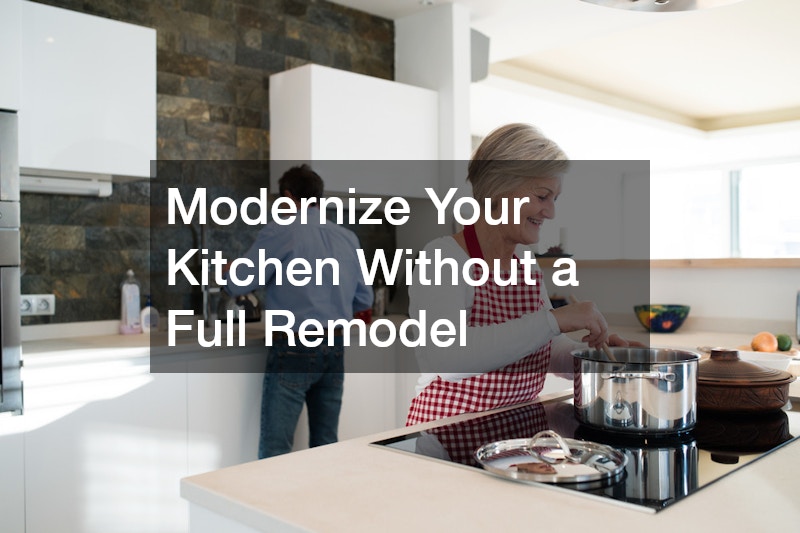
Kitchens often feel outdated faster than any other part of the home, but a full remodel can be expensive. Fortunately, there are ways to refresh the space without starting from scratch.
Cabinets are usually the first thing people notice. Instead of replacing them entirely, consider refinishing or repainting. A fresh coat of paint in a modern color can completely transform the look.
For more customized changes, working with custom cabinet makers allows you to upgrade specific sections—like adding pull-out shelves or improving storage—without replacing everything.
Countertops are another focal point. Rather than installing new surfaces throughout the entire kitchen, you might update a smaller area, such as an island, with a granite counter. This creates a high-end look without the full cost of a complete replacement.
Small details also make a difference:
- Replace outdated hardware with modern handles
- Update lighting fixtures for better ambiance
- Add under-cabinet lighting for both style and function
These changes don’t just improve appearance—they enhance how the kitchen works day to day.
One homeowner described their kitchen update as “a series of small wins.” They painted cabinets one weekend, replaced hardware the next, and gradually upgraded lighting. By the end, the space felt entirely new, even though they never took on a full remodel.
That’s the advantage of approaching modernization in stages. You get the benefits without the financial strain.
Prevent Major Plumbing Costs With Small Fixes
Plumbing issues rarely start as emergencies. More often, they begin as small, easily overlooked problems—a slow drip, a slightly lower water pressure, or a minor clog. Left unchecked, these issues can lead to significant damage and higher costs.
Addressing them early is one of the most cost-effective ways to modernize your home.
A plumbing contractor can help identify hidden issues that aren’t immediately visible. For example, small leaks behind walls or under sinks can go unnoticed for months, gradually causing damage that becomes expensive to repair.
There are also simple upgrades that improve efficiency:
- Installing low-flow faucets and showerheads
- Replacing old pipes that restrict water flow
- Fixing leaks as soon as they appear
Beyond saving money, these changes reduce water waste, which benefits both your wallet and the environment.
Consider a scenario where a homeowner ignores a small leak under the sink. Over time, moisture builds up, leading to mold and structural damage. What could have been a quick fix turns into a costly repair.
The lesson is straightforward: small fixes matter. Staying proactive with plumbing maintenance prevents those small issues from becoming major expenses.
Keep Your Heating System Running Efficiently
Heating systems tend to be out of sight and out of mind—until something goes wrong. When temperatures drop, the last thing you want is a system that struggles to keep up.
Regular maintenance is key to avoiding that situation. Furnace repairs, when handled early, are usually far less expensive than emergency replacements.
Signs that your system may need attention include:
- Uneven heating throughout the home
- Strange noises during operation
- Increased energy bills without a clear cause
Addressing these issues promptly helps your system run more efficiently. Even something as simple as replacing filters regularly can improve airflow and reduce strain on the unit.
Seasonal maintenance also plays a role. Before colder months arrive, it’s worth checking that everything is functioning properly. A quick inspection can catch minor issues before they escalate.
Think of your heating system as a long-term investment. The better you maintain it, the longer it lasts—and the less you’ll spend on unexpected repairs.
Add Backup Power Without Overspending
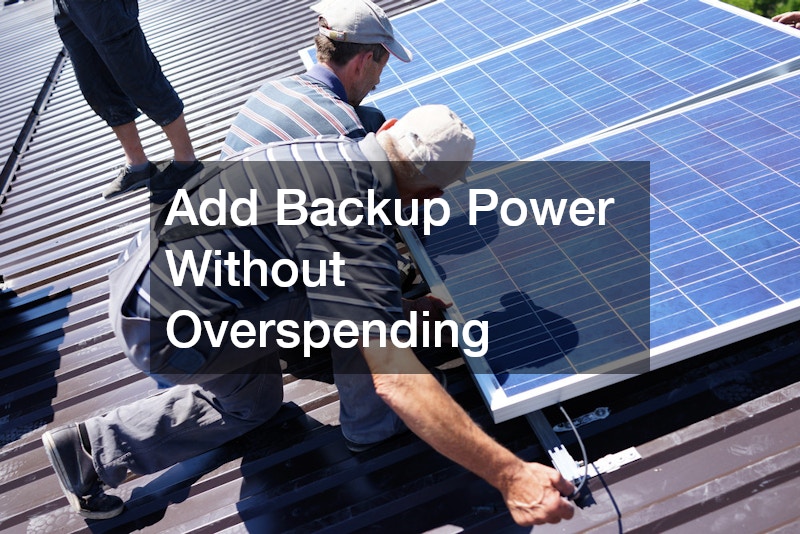
Power outages are becoming more common, and having a backup solution is no longer just a luxury. The challenge is finding an option that fits your budget while still meeting your needs.
Working with a generator installer can help you determine the right setup for your home. Not every household needs a full standby system. In many cases, a smaller generator that supports essential appliances is enough.
Start by identifying what you actually need during an outage. This might include:
- Refrigeration
- Basic lighting
- Charging devices
- Heating or cooling essentials
By focusing on priorities, you can avoid overspending on a system that exceeds your needs.
Installation also matters. A properly installed generator operates more efficiently and safely, reducing the risk of future issues.
For many homeowners, the peace of mind alone is worth the investment. Knowing that your home can function during an outage adds a layer of security that’s hard to quantify—but easy to appreciate when it matters most.
Refresh Floors and Fabrics for a Modern Look
Not all modernization is about systems and utilities. Sometimes, the most noticeable changes come from updating how your home looks and feels.
Floors and fabrics play a major role in that experience. Over time, carpets and rugs collect dirt, stains, and wear that can make a space feel older than it actually is.
Professional carpet and rug cleaning can restore these surfaces, extending their lifespan and improving the overall appearance of your home. It’s a simple step that often gets overlooked in favor of more expensive replacements.
If cleaning isn’t enough, consider layering rugs or introducing new textures. Neutral tones and subtle patterns tend to create a more modern look without overwhelming the space.
There’s also a practical benefit. Clean, well-maintained floors contribute to better indoor air quality, which enhances comfort in ways you might not immediately notice.
One homeowner described how cleaning their carpets made their entire home feel “lighter.” It wasn’t a renovation—it was a refresh. But the impact was undeniable.
Boost Curb Appeal With Functional Exterior Fixes
The exterior of your home sets the tone before anyone even walks inside. Small improvements here can make a significant difference, both visually and functionally.
Garage doors, in particular, are often overlooked. When they don’t operate smoothly or show signs of wear, they can affect both convenience and appearance. Addressing garage door repairs ensures everything works properly while improving curb appeal.
Simple upgrades can go a long way:
- Repainting the door for a fresh look
- Adding modern hardware for visual interest
- Improving insulation to enhance energy efficiency
Functionality matters just as much as appearance. A well-maintained garage door contributes to overall home efficiency, especially if the garage is attached.
Smart technology can also play a role. Upgrading to a system that allows remote access or monitoring adds convenience and a modern touch.
These changes don’t require a large investment, but they create an immediate impact—both for you and anyone visiting your home.
Create a Long-Term Maintenance Plan That Saves Money

Modernizing your home isn’t just about upgrades—it’s about maintaining what you’ve already improved. Without a plan, even the best updates can lose their value over time.
A long-term maintenance approach keeps everything running efficiently and prevents small issues from becoming expensive problems.
Start by breaking tasks into seasonal checklists. For example:
- Spring: inspect exterior, clean gutters, check for leaks
- Summer: service cooling systems, inspect insulation
- Fall: prepare heating systems, seal gaps
- Winter: monitor pipes, check for drafts
Keeping a simple record of maintenance helps you stay organized. It also ensures that nothing gets overlooked.
Budgeting plays a role as well. Setting aside a small amount each month for upkeep makes it easier to handle repairs when they arise.
Over time, this approach creates a cycle of consistent care. Instead of reacting to problems, you’re preventing them—and that’s where the real savings happen.
Bringing It All Together
Modernizing your home doesn’t have to be overwhelming or expensive. The most effective approach is often the simplest: focus on practical improvements, maintain what you upgrade, and make changes that align with how you actually use your space.
Some updates will save energy, others will prevent repairs, and a few will simply make your home more enjoyable to live in. All of them contribute to a space that feels current, efficient, and well cared for.
Start small. Choose one area to improve, then build from there. Over time, those individual changes come together to create a home that feels truly modern—without ever requiring a massive investment.