
Protecting a residential property from environmental elements begins with maintaining a secure, weather-resistant overhead barrier. Your roof serves as the primary defense against heavy rainfall, high winds, winter snow loads, and intense solar radiation. When a roofing system is neglected, minor shingle degradation or flashing cracks can quickly escalate into widespread structural damage, toxic mold growth, and compromised home insulation. Taking a proactive approach to roof care safeguards your living space while preserving the structural integrity and resale value of your property.
A successful overhead maintenance strategy balances timely cosmetic repairs with comprehensive structural evaluations. While basic visual checks can be performed from ground level after major weather events, identifying subtle degradation requires technical expertise and safety equipment. Inspecting chimney flashing, valleys, ventilation ridges, and underlying decking ensures that water intrusion hazards are caught long before visible ceiling stains appear inside the home. Investing in routine preventative maintenance avoids emergency restoration costs and ensures your roof reaches its full engineered lifespan.
Managing your home’s exterior protection also involves choosing the right materials and partnering with qualified installation professionals. Understanding how different materials perform under local climate conditions empowers homeowners to make cost-effective decisions during repairs or full replacements. Combining quality building components with certified installation methods creates a durable protective system that enhances energy efficiency and delivers long-term peace of mind.
Evaluating Overhead Condition and Structural Vulnerabilities
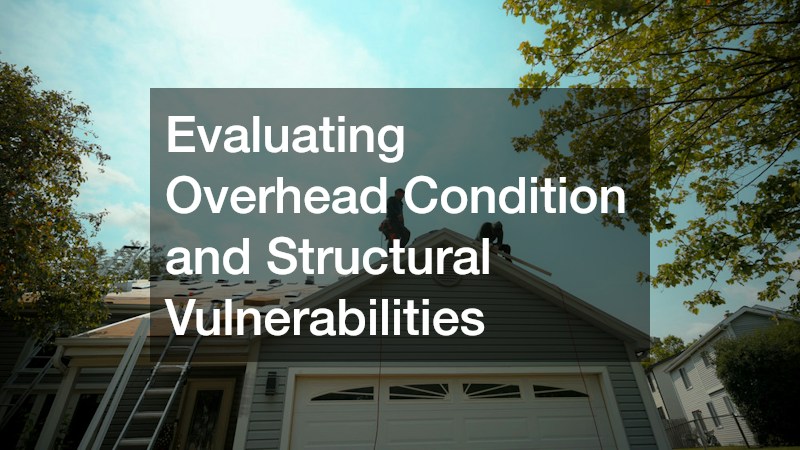
Maintaining a secure residential structure requires ongoing attention to the condition of your shingles, underlayment, and flashing details. Environmental exposure gradually degrades roofing materials over time, causing asphalt shingles to lose protective mineral granules, warp, or crack under intense heat. Identifying minor physical wear early prevents water from penetrating the underlying plywood decking and entering the attic space.
Engaging a licensed roofing contractor to conduct thorough structural assessments ensures that hidden moisture pockets, wood rot, and compromised flashing seals are identified before severe interior damage occurs. Professional inspectors utilize moisture meters and thermal imaging to locate water intrusion paths that are invisible from the ground. Their detailed diagnostic reports provide clear, actionable steps for executing targeted repairs.
Proactive diagnostic evaluations protect your home’s primary framing members from fungal decay and structural weakening. Catching minor leaks early keeps repair costs low and prevents the need for prematurely replacing entire roof sections. Establishing a baseline assessment gives homeowners complete visibility into their roof’s operational health.
Selecting Qualified Installation Specialists for Exterior Protection
Executing major exterior repairs or full system replacements demands specialized mechanical skills, rigorous adherence to safety standards, and proper equipment. Roofing work involves navigating steep slopes, handling heavy materials, and ensuring watertight seals around complex roof penetrations like plumbing vents and skylights. Attempting unverified installation practices risks severe structural leaks and voids manufacturer material warranties.
Hiring certified roofers guarantees that your project is executed in compliance with local building codes and strict manufacturer guidelines. Qualified technicians undergo extensive training in fall protection safety, proper fastener placement, and advanced flashing techniques. Their hands-on experience ensures that underlayment layers are laid flat and shingles are secured to withstand high wind uplift.
Partnering with trained trade professionals provides confidence that your installation will perform reliably during severe weather events. Verified crew members work efficiently while maintaining clean job sites to protect surrounding landscaping and property. Professional craftsmanship serves as the foundation for a long-lasting, weather-tight home barrier.

Exploring Specialty Materials and Architectural Systems
Homeowners seeking exceptional durability, fire resistance, and distinct architectural style often explore premium material alternatives to standard asphalt shingles. Clay, concrete, and synthetic tiles offer superior longevity, capable of withstanding extreme weather, intense sun exposure, and high winds for decades without degrading. Investing in heavy-duty materials enhances curb appeal while providing unmatched exterior protection.
Utilizing professional tile roofing services ensures that heavy clay or concrete tiles are installed over reinforced roof framing capable of supporting the additional structural load. Specialized installers lay heavy-duty waterproof underlayment membranes and secure inter-locking tiles with corrosion-resistant fasteners to create a wind-resistant barrier. Proper tile placement allows for natural air circulation underneath, improving home insulation and energy efficiency.
Choosing specialty materials adds substantial long-term value and distinctive character to a residential property. While initial installation costs are higher than standard materials, the extended lifespan and minimal maintenance demands of tile systems make them a smart investment for long-term homeownership. Expert installation guarantees the system remains watertight across decades of exposure.
Vetting Nearby Trade Service Providers for Regional Reliability
Navigating local climate demands requires working with service providers who understand regional weather patterns, freeze-thaw cycles, and municipal building codes. Exterior systems installed in humid coastal zones face different environmental challenges than those subject to heavy winter snow or intense desert heat. Selecting service teams familiar with local environmental conditions ensures proper material selection.
Partnering with established local roofing contractors provides distinct advantages, including rapid response times for emergency repairs and deep knowledge of regional permit requirements. Nearby contractors maintain strong relationships with local building inspectors and material suppliers, ensuring projects proceed smoothly without regulatory delays. Their physical presence in the community guarantees accountability and accessible warranty support.
Working with local specialists supports the regional economy while ensuring your property receives tailored technical care. Nearby providers can easily perform quick follow-up checks after severe local storms to verify your roof remains intact. Regional expertise ensures your exterior barrier is engineered specifically for your climate.
Comparing Detailed Service Options and Estimates
Executing a major home improvement project requires careful financial planning and clear communication regarding project scope, material quality, and labor warranties. Obtaining written proposals from multiple established businesses allows homeowners to compare material options, project timelines, and pricing structures objectively. Clear contractual terms prevent unexpected costs during construction.
Evaluating written proposals from multiple roofing companies helps homeowners identify fair market pricing and recognize differences in warranty coverage and material specifications. Professional estimates should detail itemized costs for tear-off, underlayment grade, drip edge installation, ice and water shield placement, and waste removal. Reviewing these details ensures you select a comprehensive service package that fits your budget.
Thorough proposal evaluation protects homeowners from hidden fees and incomplete workmanship scope. Comparing established businesses allows you to evaluate company reputations, safety records, and client testimonials before signing contracts. Clear financial and operational transparency ensures a smooth project execution.
Securing Personalized Technical Oversight for Ongoing Repairs
While major overhauls require large crew deployments, minor maintenance tasks—such as re-sealing chimney flashing, replacing a few wind-damaged shingles, or fixing localized gutter line leaks—benefit from personalized technical service. Having a reliable professional on call for quick maintenance visits prevents minor flaws from expanding into costly structural emergencies.
Establishing a working relationship with a trusted local roofer ensures prompt attention when minor maintenance needs arise throughout the year. A dedicated technician becomes familiar with your property’s specific roof geometry, existing material condition, and past repair history. This personalized familiarity allows for fast, accurate troubleshooting whenever weather events cause minor exterior damage.
Having direct access to dedicated technical support simplifies routine property upkeep and offers immediate assistance after severe weather. Prompt attention to small repairs extends the operational life of your existing shingles and delays the need for full system replacements. Personalized service keeps your home secure year-round.
Prioritizing Residential Structural Design Requirements
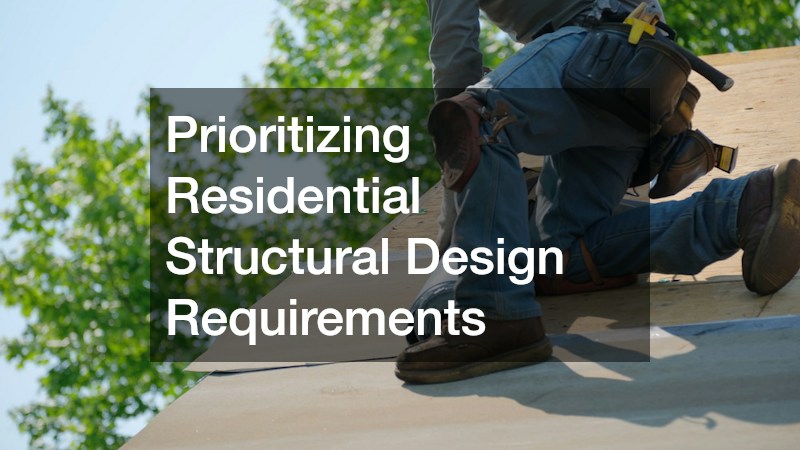
Single-family homes feature unique architectural geometries, including complex valley intersections, dormers, attached garages, and varying roof pitches. Installing a watertight system on a residential property requires precise flashing work and custom cutting around architectural accents to ensure water flows off the roof structure efficiently without pooling in hidden seams.
Working with specialized residential roofers guarantees that material choices and installation methods are tailored specifically to housing construction standards. Experienced home technicians understand how to integrate roof ventilation with attic insulation spaces to prevent moisture buildup, wood rot, and ice dam formation during winter months. Their focus on residential detail protects interior living spaces from hidden leaks.
Tailoring installation techniques to residential architecture ensures both optimal performance and attractive visual appeal. Proper installation protects your family’s living environment while enhancing overall curb appeal. Specialized residential expertise guarantees your home remains comfortable, dry, and energy-efficient.
Managing Full System Replacement Projects
When an aging roof reaches the end of its functional life, continuous spot repairs become cost-ineffective compared to a full system replacement. Complete tear-offs allow installation crews to inspect the underlying plywood decking, replace rotted wood, install modern waterproof membranes, and build a cohesive protective assembly from the deck up.
Entrusting a full replacement to a well-equipped roofing company ensures that demolition, deck preparation, material delivery, and new installation proceed according to a tight, organized schedule. Full-service enterprises deploy dedicated crews equipped with dump trailers, safety rigging, and specialized tools to complete tear-offs and new installations efficiently, minimizing disruption to your daily routine.
Executing a full system replacement resolves chronic leak issues and dramatically improves your home’s energy efficiency. Modern underlayments and reflective shingle options reduce heat transfer into the attic, lowering summer cooling costs. Complete replacements provide decades of reliable overhead protection and enhance property value.
Sourcing High-Grade Components and Building Materials
The long-term performance of an exterior barrier depends heavily on the quality of the individual components used throughout the installation. A complete roofing assembly includes far more than visible exterior shingles; it relies on synthetic underlayments, ice and water shields, starter strips, ridge vents, drip edges, and specialized fasteners working together as an integrated system.
Selecting premium roofing supplies ensures that your installation withstands severe environmental stress, UV degradation, and thermal expansion without cracking or shifting. High-grade synthetic underlayments offer superior tear resistance and water barrier protection compared to traditional felt paper. Investing in quality accessories prevents premature system failures at vulnerable flashings and eaves.
Educating yourself on available material options empowers you to make informed decisions regarding durability, aesthetic preferences, and warranty levels. Premium components often carry extended manufacturer warranties that protect your financial investment for decades. Quality materials ensure your exterior protection remains secure and attractive over time.
Partnering with Accredited Residential Trade Enterprises
Installing a high-performance roof requires a business enterprise that adheres to strict industry standards, carries comprehensive liability and workers’ compensation insurance, and offers robust workmanship warranties. Partnering with an accredited business guarantees that your installation is backed by professional liability protection and dedicated customer service.
Selecting a recognized residential roofing company provides assurance that your project will be completed according to established industry best practices and local building codes. Accredited enterprises maintain manufacturer certifications, allowing them to offer enhanced system warranties that cover both material defects and installation labor. Their established business infrastructure ensures long-term warranty support.
Working with accredited trade partners protects homeowners from financial liability related to job-site accidents or substandard workmanship. Professional project management ensures clear communication, timely execution, and thorough cleanup upon project completion. Established enterprises deliver reliable, high-quality results.
Sustaining optimal roof performance over its multi-decade lifespan requires establishing a structured, routine maintenance program. Environmental debris like fallen leaves, pine needles, and moss can accumulate in roof valleys and gutter systems, trapping moisture against shingle surfaces and causing premature material breakdown. Regular maintenance removes debris and verifies that drainage pathways remain clear.
Scheduling a seasonal roofing service allows trained professionals to clean gutters, clear valley debris, treat moss growth, and inspect sealant bonds around flashings and vent pipes. Routine seasonal maintenance catches minor seal separations and loose fasteners before heavy rains cause interior leaks. Systematic care maximizes the operational lifespan of your entire roofing system.
Proactive maintenance protects your warranty standing, as many manufacturers require proof of regular care to honor long-term material coverage. Keeping detailed service records documents your property’s care history and enhances buyer confidence when selling your home. Consistent routine upkeep ensures your property investment remains fully protected through every season.
Taking a disciplined approach to your home’s exterior care ensures that minor material wear is addressed long before it escalates into severe interior water damage or costly structural repairs. In early spring, inspect gutters and downspouts to ensure winter ice melt drains freely away from your foundation. During mid-summer, check your attic space to confirm that ventilation channels remain unobstructed, preventing excess heat and humidity build-up. In autumn, clear fallen leaves from valleys and trim back overhanging tree branches to protect shingle granules from wind damage. Finally, during late winter, monitor eave lines for ice dams and safely manage heavy snow loads.
Ultimately, protecting your property’s primary overhead barrier relies on combining smart seasonal habits with qualified professional technical care. Following a regular maintenance workflow safeguards your financial investment, preserves energy efficiency, and keeps your living space dry, comfortable, and secure through every season.