
Navigating the world of home improvement can feel overwhelming when balancing personal preference against financial return. While cosmetic touch-ups like a fresh coat of paint or updated light fixtures provide an immediate visual refresh, true value accumulation stems from substantial, strategic updates. High-impact structural, aesthetic, and functional alterations lay the groundwork for long-term equity growth, significantly boosting buyer interest when it comes time to list your property.
Capital improvements require thoughtful prioritizing. It is easy to get caught up in luxury finishes, but structural integrity, modern energy efficiency, and functional utility often yield a far higher return on investment. Taking a strategic approach to home updates ensures every dollar spent contributes directly to your home’s market valuation while enhancing your day-to-day comfort.
By looking at your property holistically—balancing interior living spaces, heavy site preparation, exterior defenses, and outdoor living environments—you can construct a master plan tailored to your budget and long-term goals.
Interior Upgrades for Daily Living and Energy Efficiency
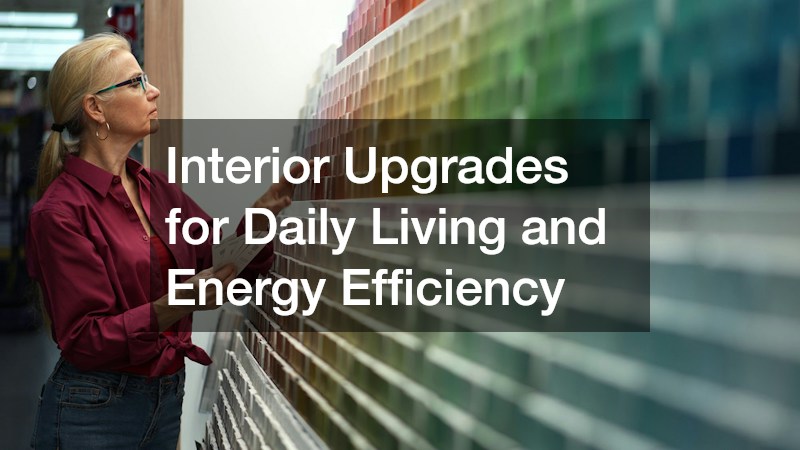
The interior of a home represents where form and function meet most intimately. When prospective buyers or professional appraisers evaluate indoor spaces, they look beyond simple decor to evaluate the quality of materials and the underlying utility systems. Focused improvements in high-traffic areas and core mechanical installations ensure the house runs efficiently while delivering daily comfort.
Modernizing High-Traffic Surfaces for Lasting Appeal
The kitchen remains the heart of the modern home, acting as a social hub and a major anchor for real estate value. Outdated surfaces not only betray the age of the house but also suffer from wear, staining, and chipping. Upgrading primary prep surfaces with durable, modern materials transforms the entire aesthetic of the space without requiring a full structural demolition.
When evaluating surface materials for heavy daily use, consider the following attributes:
- Stain and Scratch Resistance: Natural quartz and solid granite offer exceptional durability against hot pans, sharp knives, and common household spills compared to traditional laminate or soft marble.
- Maintenance Requirements: Non-porous options eliminate the need for annual sealing, making them far more attractive to busy homeowners looking for low-maintenance living.
- Neutral Aesthetics: Selecting timeless colors like soft white, warm gray, or subtle veining ensures the update appeals to a broad range of future buyers without going out of style.
Integrating a high-quality kitchen countertop elevates the overall visual polish of your cooking area while ensuring the space endures decades of daily meal prep.
Optimizing Climate Control Systems for Long-Term Performance
While beautiful surfaces attract immediate visual interest, the unseen mechanical systems keeping your home comfortable drive real functional value. An old, inefficient heating and cooling system introduces high monthly utility bills, inconsistent temperature zones, and the constant threat of sudden breakdown.
System reliability is critical for maintaining healthy indoor air quality and regulating humidity levels. Neglecting core climate systems can lead to moisture buildup, compromised insulation performance, and premature wear on structural components.
To keep your environmental controls performing at their peak, prioritize these key management steps:
- Air filter replacements every 30 to 90 days to prevent airflow restriction and system straining.
- Annual professional inspections of compressor units, heating elements, and thermostat calibration.
- Ductwork sealing to prevent conditioned air from escaping into unconditioned attic or crawl spaces.
Addressing minor issues promptly through timely HVAC repairs prevents catastrophic equipment failures during peak seasonal shifts. A well-maintained climate control system provides prospective buyers with immediate peace of mind, knowing they will not face an expensive system replacement shortly after closing.
Strategic Site Preparation and Utility Infrastructure
Unlocking a property’s true market potential often requires looking past the main dwelling toward the surrounding land. Developing raw acreage, clearing space for outbuildings, or establishing independent utility infrastructure adds substantial equity. Proper ground-level execution establishes the baseline safety and usability of the entire lot.
Preparing Raw Land for Major Property Expansions
Overgrown brush, fallen timber, and dense vegetation limit how much of your property you can actually use. Whether preparing to build a detached garage, extend a driveway, or construct an outdoor living area, clearing the land is the necessary first step.
Working with heavy growth requires a methodical approach to maintain safety and protect existing root structures:
- Surveying and Mapping: Mark all lot boundaries, utility easements, and preserved trees before bringing heavy machinery onto the site.
- Debris Removal and Chipping: Process felled timber into organic mulch for landscaping or completely haul away dense brush to keep the site clean.
- Underbrush Thinning: Clear away thick invasive vines and low-hanging branches to improve line-of-sight visibility across your acreage.
Strategic land clearing opens up hidden views, improves air circulation around existing structures, and transforms previously unusable acreage into functional footprint space.
Tapping into Independent Water Sources for Complete Self-Sufficiency
Water independence is becoming a major selling point for rural and suburban properties alike. Depending solely on municipal water networks can lead to rising utility rates, strict usage restrictions during dry spells, and vulnerability to local infrastructure failures. Establishing an independent water supply increases self-reliance and supports extensive agricultural or landscaping ambitions.
Installing a private water source requires careful planning and specialized execution:
- Underground geological surveys to locate optimal water-bearing rock layers.
- Drilling deep into target aquifers to ensure year-round flow and higher water purity.
- Installing heavy-duty submersible pumps and pressurized holding tanks.
- Integrating multi-stage filtration units to remove iron, hard minerals, and sediment.
Hiring a certified deep water well drilling service ensures your property gains a clean, reliable, and high-yielding water supply. An independent, high-capacity water well eliminates ongoing municipal water charges and boosts property valuation by securing a vital utility asset.
Heavy Groundwork and Custom Outdoor Living
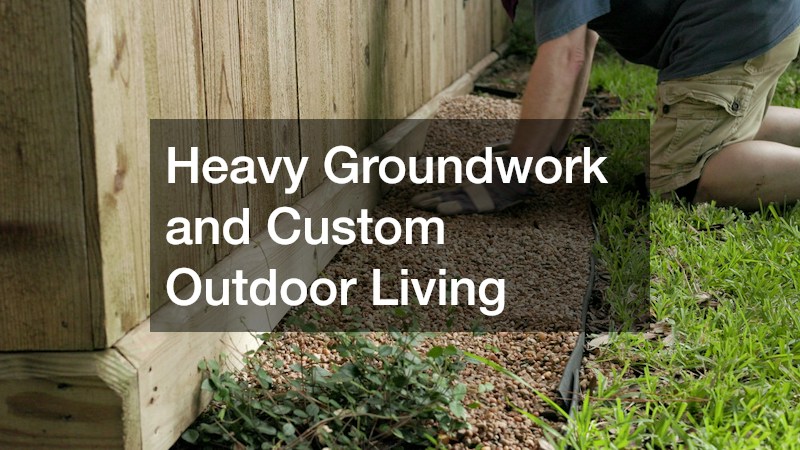
Ground-level modifications protect your primary structures while turning bare outdoor space into usable living quarters. Earthwork and structural masonry combine functional water management with high-end aesthetic appeal, effectively extending your home’s footprint beyond its exterior walls.
Regrading and Earthwork for Foundation Protection
Improper grading around a house poses a quiet, severe threat to its structural integrity. Rainwater that pools near the foundation can seep into basements, crack concrete slabs, and cause soil shifts that result in costly structural repairs. Professional earthwork shapes the terrain to direct surface runoff away from your dwelling.
Key components of effective drainage and ground preparation include:
- Shaping swales and contours to channel heavy rainfall naturally toward property borders or drainage basins.
- Creating level pads for future structural installations, garden sheds, or paved patios.
- Trenching for underground French drains to collect subsurface moisture away from low-lying areas.
Utilizing expert excavating services allows for precise land shaping, ensuring soil stability while safeguarding foundation walls from water intrusion. Proper ground preparation protects your investment from subterranean water damage and sets the foundation for future structural add-ons.
Designing Functional Outdoor Entertaining Spaces
Modern buyers view the backyard as an natural extension of the interior living space. Transforming open grass into structured outdoor rooms creates spaces for dining, relaxing, and entertaining, which directly increases perceived square footage and overall appeal.
When designing custom outdoor installations, focus on materials and layouts that withstand harsh weather while minimizing maintenance:
- Custom stone or paver patios designed to accommodate outdoor kitchens, fire pits, and seating areas.
- Retaining walls that convert sloping terrain into flat, terraced garden beds or outdoor living tiers.
- Interlocking paver walkways connecting the primary house to outbuildings, pool decks, or gardens.
Investing in quality hardscapering brings balance to your outdoor environment, turning ordinary green space into an elegant, low-maintenance haven. High-end stone and masonry features deliver long-lasting curb appeal that sets your property apart in competitive markets.
Structural Safety, Security, and Storm Preparedness
A home’s exterior envelope serves as its first line of defense against atmospheric conditions, security threats, and heat transfer. Strengthening the outer shell protects your interior investments, reduces insurance premiums, and lowers ongoing utility expenses.
Securing Enclosed Vehicles and Storage Structures
The entry point to your garage is often one of the largest visual elements on the front facade. Beyond curb appeal, an outdated or damaged entry door compromises security, lets in cold drafts, and poses safety risks to your family. Modern replacement systems feature quiet belt drives, insulated panels, and integrated smart technology.
When choosing a new entry door system, prioritize features that boost security and thermal efficiency:
- R-Value Insulation: Polyurethane foam insulation helps maintain stable garage temperatures, protecting parked vehicles and reducing thermal transfer into adjoining rooms.
- Smart Access Controls: Integrated Wi-Fi openers allow for remote monitoring, timed closures, and real-time security alerts directly to your smartphone.
- Pinch-Resistant Design: Modern track systems incorporate safety sensors and pinch-resistant panel joints to prevent accidental injuries during operation.
A professional garage door installation dramatically elevates exterior aesthetic harmony while reinforcing your home’s primary storage entry against unauthorized access.
Strengthening the Exterior Envelope Against the Elements
Windows represent a major source of energy loss and potential vulnerability during severe weather. Old single-pane glass lets heat transfer freely, forcing climate control systems to work double-time while leaving interiors vulnerable to flying debris during severe storms. Upgrading window systems creates a secure, soundproof, and energy-efficient boundary.
Upgraded structural windows provide multiple protective benefits:
- Heavy-duty laminated glass designed to withstand severe wind-borne impacts without shattering into the home.
- Multi-layer Low-E coatings that block harmful UV rays, protecting indoor furniture, flooring, and artwork from fading.
- Advanced thermal breaks within the framing that reduce outside noise pollution and cut heating and cooling losses.
Installing high-performance impact windows solidifies your home’s outer defenses, yielding noticeable reductions in monthly energy bills and potential discounts on property insurance.
Curb Appeal, Landscaping, and Accessible Design
First impressions carry immense weight in property valuation. The approach to a home sets the tone for the entire property inspection, while interior accessibility features ensure the layout remains functional for occupants through every stage of life.
Maintaining Mature Vegetation for Safety and Aesthetics
Mature trees add character, natural shade, and value to a residential property. However, overgrown, diseased, or poorly placed trees pose significant structural risks to rooflines, gutters, and underground utility lines. Unmaintained branches can snap during severe storms, causing major property damage.
Proactive tree management focuses on safety, health, and visual balance:
- Pruning dead or crossing limbs to promote healthy air circulation and sunlight penetration throughout the canopy.
- Crown thinning to reduce wind resistance during high-wind events, lowering the risk of total tree failure.
- Root management near driveways, foundations, and utility trenches to prevent structural cracking.
Enlisting routine tree care keeps your landscape looking refined while mitigating costly structural hazards. Healthy, well-maintained trees provide vital curb appeal while framing your home safely.
Adapting the Layout for Accessibility and Universal Design
Universal design principles make a home accessible, safe, and comfortable for everyone, regardless of age, height, or mobility level. Incorporating accessible design features allows current residents to age in place gracefully while broadening your potential pool of future buyers.
Key modifications for improved physical accessibility include:
- Converting step-up entryways into smooth, low-incline ramps or flush thresholds for seamless entry.
- Widening interior doorways to at least 36 inches to clear wheelchairs and walkers easily.
- Replacing traditional step-in bathtubs with curbless, walk-in showers featuring grab bars and non-slip tile surfaces.
- Adjusting light switch heights, cabinet pull styles, and sink clearances to accommodate sitting or standing postures.
Executing a thoughtful home modification plan upgrades functional accessibility without compromising modern aesthetic design. These targeted improvements future-proof your living spaces, maximizing long-term usability and market versatility.
Developing a Balanced Property Upgrade Strategy
Maximizing property value requires strategic project sequencing. Diving into major structural or aesthetic updates without a clear plan can lead to budget overruns, conflicting construction schedules, and wasted resources. By organizing your upgrades into clear phases, you can manage cash flow effectively while protecting your living spaces throughout the process.
Financial Considerations and ROI Optimization
Every dollar spent on property upgrades should balance personal enjoyment with financial return. High-yield improvements focus on energy efficiency, structural longevity, and low-maintenance materials, as modern buyers consistently favor move-in-ready homes with minimal near-term maintenance requirements.
Long-Term Property Value Blueprint
Building property equity is a marathon, not a sprint. By prioritizing updates that protect structural integrity, optimize energy efficiency, and expand functional living space, you create a residence that serves your family efficiently today while securing top-tier market value for tomorrow.
Whether clearing space for future expansions, reinforcing your home’s exterior envelope against harsh weather, or refining high-traffic interior spaces, every calculated modification brings your property closer to its peak valuation. Take the time to assess your property’s unique layout, build a prioritized, phased implementation schedule, and invest in high-quality materials that will stand the test of time.