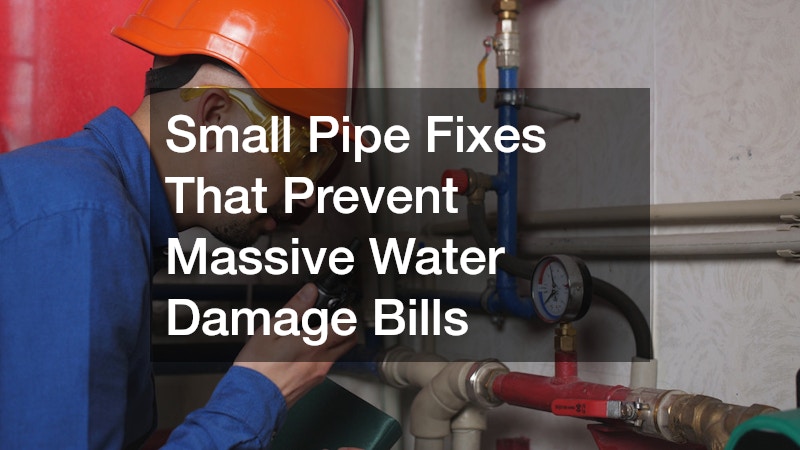
A single dripping pipe under your sink might seem like a minor annoyance, but left unchecked it can quietly warp floors, rot cabinetry, and feed mold colonies behind your walls. Most catastrophic water damage claims start small, as a loose fitting, a hairline crack, or a slow leak that nobody noticed in time. The good news is that most of these disasters are preventable with a few hours of attention and a willingness to act on small warning signs. This guide walks you through the specific pipe and plumbing issues worth checking today, before they turn into five-figure repair bills.

Fix Slow Faucet Drips Before They Waste Thousands of Gallons
A faucet that drips once every few seconds may seem trivial, but that adds up to thousands of gallons wasted every year, plus steady pressure on the washers and seals inside the fixture. Over time, that same worn seal can fail completely, sending water spraying under the cabinet and soaking the wood below without anyone noticing until the smell of mildew shows up. Replacing a washer or cartridge is one of the cheapest repairs in plumbing, often costing less than twenty dollars in parts.
If you are not comfortable disassembling the faucet yourself, this is a job most plumbers can knock out in under an hour during a routine visit. Catching it early means you avoid the far more expensive fix of replacing water-damaged cabinetry or subflooring later.
- Listen for dripping sounds at night when the house is quiet
- Check under the sink for damp wood or a musty smell
- Tighten the packing nut before assuming the whole fixture needs replacing
- Replace rubber washers every few years as routine maintenance
Inspect Supply Lines Behind Toilets and Washing Machines
The flexible hoses connecting your toilet, washing machine, and refrigerator to the water supply are some of the most common failure points in a home. These lines are often made of rubber or braided steel, and both degrade over time, especially in homes with hard water or fluctuating pressure. A burst supply line can release hundreds of gallons in a single hour, flooding a laundry room or bathroom before anyone gets home to shut off the water.
Braided stainless steel lines last longer than plain rubber and are worth the small upgrade cost. Check these connections twice a year for bulging, rust stains, or cracking near the fittings, and replace any line older than seven to ten years regardless of how it looks.
- Turn off the shutoff valve fully to confirm it still works
- Look for kinks or tight bends that stress the hose material
- Feel for dampness around the connection point after running water
- Replace all supply lines in a bathroom at the same time to avoid repeat labor

Address Small Leaks Under Kitchen and Bathroom Sinks
A small puddle under the sink is often dismissed as a one-time spill, but recurring dampness usually points to a loose slip-nut connection or a hairline crack in the trap. These leaks are slow by nature, which is exactly why they cause so much damage. Water seeps into particleboard cabinet bottoms and swells the material long before it becomes visible from the outside.
Running your hand along every joint under the sink once a month takes less than a minute and can catch a problem while it is still a five-dollar fix. If you find a leak that keeps returning after tightening the connection, try wrapping the joint with pipe-thread tape or swapping in a new washer before assuming the whole fitting needs replacing, since a fresh seal often solves what looks like a bigger problem.
- Check the P-trap, slip nuts, and supply valve connections
- Place a dry paper towel under pipes and check it after a day
- Watch for warped or discolored cabinet flooring
- Replace old plastic fittings that have become brittle
Watch for Warning Signs of Hidden Pipe Corrosion
Corrosion inside metal pipes is invisible from the outside until it eats through the wall of the pipe and causes a pinhole leak. These leaks are notoriously hard to spot because they often occur inside walls or under slabs, and the water can travel along framing before it ever shows up as a stain. Homes built before the 1990s with galvanized steel piping are especially prone to this kind of gradual failure.
Discolored water, a metallic taste, or unexplained drops in water pressure are all signs that corrosion may already be underway. A local plumbing contractor can run a simple pressure test or inspect exposed sections of pipe to give you a realistic sense of how much useful life your plumbing system has left.
- Rust-colored water when you first turn on a faucet
- Reduced flow at multiple fixtures at once
- Visible flaking or scaling on exposed pipes
- A history of frequent small leaks in the same general area
Clear Slow Drains Before They Cause Backups
A drain that empties slowly is not just an inconvenience, it is often the first sign of a clog forming further down the line. Grease, hair, soap scum, and food particles build up gradually along pipe walls until water can barely pass through. If ignored, that partial blockage can turn into a full backup that sends wastewater into your sink, tub, or even your basement floor drain.
Many homeowners try store-bought chemical cleaners first, but these can actually damage older pipes and rarely clear the full length of the blockage. Scheduling routine visits from local drain cleaning services keeps buildup from accumulating to the point of a total stoppage, and it is far cheaper than dealing with the aftermath of sewage backing up into your home.
- Avoid pouring grease or coffee grounds down the kitchen sink
- Use a drain strainer to catch hair and debris in showers
- Flush drains monthly with hot water to reduce buildup
- Schedule a professional cleaning at the first sign of slow draining

Repair Small Cracks Discovered Through a Camera Inspection
Many pipe problems exist entirely out of sight, which is why more homeowners are turning to a sewer line camera inspection before buying a house or after noticing recurring drain issues. A small camera is fed through the pipe to reveal cracks, root intrusion, or misaligned joints that would otherwise go unnoticed until a major failure occurs. Catching these issues early often means a targeted repair instead of a full excavation.
One increasingly popular option for damaged sections is pipe lining, a trenchless process where a resin-coated liner is inserted into the existing pipe and hardened in place to create a smooth new interior surface. This method avoids tearing up your yard or driveway and can extend the life of an old sewer line by decades. For older homes especially, a periodic inspection is one of the smartest preventive steps you can take.
- Consider a camera inspection before purchasing an older home
- Watch for recurring backups as a sign of a deeper problem
- Ask about trenchless repair options before agreeing to full pipe replacement
- Keep inspection footage on file for future reference or resale
Service Your Water Heater to Avoid Sudden Tank Failure
Water heaters rarely fail without warning, but the warning signs are easy to miss if you are not paying attention. Sediment buildup at the bottom of the tank causes popping or rumbling sounds, reduces efficiency, and accelerates corrosion of the tank walls. A neglected tank can eventually rupture, releasing thirty to fifty gallons of water onto your floor in a matter of minutes.
Annual flushing removes sediment and extends the unit’s lifespan significantly, and prompt water heater repair at the first sign of rust-colored water or inconsistent temperatures can prevent a full tank replacement. Checking the pressure relief valve and anode rod once a year are simple tasks that make a real difference in how long your water heater lasts.
- Flush the tank annually to remove sediment
- Test the pressure relief valve for proper function
- Replace the anode rod every three to five years
- Listen for unusual popping or rumbling sounds during heating cycles
Maintain Your Boiler to Prevent Pressure and Leak Problems
Homes with a boiler-based heating system face a different set of risks than those with standard water heaters, since boiler failures often involve both water damage and heat loss during cold months. Low pressure, strange noises, or an intermittent pilot light are all signs that something inside the system needs attention. Ignoring these symptoms can lead to a cracked heat exchanger or a leaking valve that damages flooring and walls near the unit.
Routine boiler maintenance performed once a year keeps seals, valves, and pressure systems working as intended, and it gives a technician the chance to catch small issues before they become expensive repairs. This is especially important in older homes where boiler components may be original to the house and nearing the end of their expected lifespan.
- Check the pressure gauge regularly and note any sudden drops
- Bleed radiators if you notice cold spots or reduced heat output
- Have a professional inspect the heat exchanger annually
- Address strange noises immediately rather than waiting for a full failure
Test Backflow Prevention Devices to Protect Your Water Supply
Backflow occurs when contaminated water flows in the reverse direction through your plumbing system, potentially mixing with your clean water supply. This is a bigger risk than most homeowners realize, particularly for those with irrigation systems, well connections, or older plumbing configurations. Many municipalities actually require annual backflow testing for certain properties, and skipping it can result in fines as well as contamination risks.
A licensed technician can test the device in under an hour, checking valves and seals to confirm they are holding pressure correctly. If your backflow preventer fails a test, the repair is usually straightforward and far less costly than dealing with contaminated water reaching your fixtures.
- Check with your local water authority about required testing frequency
- Inspect visible backflow devices for cracks or corrosion
- Keep records of past test results for insurance or resale purposes
- Address any failed test result promptly rather than delaying

Build a Relationship With a Trusted Plumbing Provider
Many of the problems described above are far easier to manage when you already have someone familiar with your home’s plumbing history. A comprehensive plumbing service that handles everything from small leak repairs to major line replacements can spot patterns over time that a one-off visit might miss. If a technician has already seen your water heater struggle twice in the last year, they’ll know to check it more closely rather than treating it as an isolated incident.
Building this relationship before you have a crisis puts you in a much stronger position when something does eventually break. A plumber who already knows your home’s layout, pipe materials, and past repair history can diagnose problems faster and skip the guesswork that comes with a first-time visit. That familiarity often translates into quicker response times, more accurate quotes, and sometimes discounted rates for loyal, long-term customers.
It’s also worth asking your provider about seasonal considerations, since freezing winters and heavy spring rains put different kinds of stress on your plumbing system. A trusted contact who checks in before these high-risk periods can help you address vulnerabilities proactively, rather than scrambling once a pipe has already failed.
- Ask neighbors or local groups for recommendations before you need emergency help — save the contact info in your phone now
- Confirm licensing, insurance, and warranty terms before hiring; ask for proof, not just verbal assurance
- Get at least two quotes for non-emergency work so you know fair pricing in your area
- Schedule an annual whole-home plumbing checkup as preventive care, ideally before winter or after a move-in
- Ask your plumber to flag aging pipes, fixtures, or water heaters during that visit so you can budget for replacements
- Keep a written record of past repairs and service visits, including dates, costs, and parts used
- Save this record digitally so it’s accessible if you sell your home or need to file an insurance claim
None of these fixes require a major investment of time or money, but together they represent the difference between a minor repair and a five-figure water damage claim. Walk through your home this week and check the supply lines, drains, and water heater using the steps outlined above. Small, consistent attention to your plumbing system is the most reliable way to protect your home, your budget, and your peace of mind. When needed, don’t hesitate to reach out to experienced plumbers or a sewer and drain cleaning service.