A small drip, a strange noise, or a slow drain rarely feels urgent in the moment, but these tiny warning signs are often the first chapter of a very expensive story. Homeowners who ignore early symptoms of system failure end up paying two, three, or even ten times more than they would have with timely attention. The good news is that most major home system breakdowns are predictable and preventable if you know what to watch for. This guide breaks down the systems most likely to fail without warning and how to protect your budget before disaster strikes.
Recognize the Early Signs of Septic System Trouble
Septic systems fail quietly at first, giving off subtle clues long before a full backup happens. Slow drains throughout the house, gurgling pipes, or a persistent damp patch near the drain field are all signals that something below the surface needs attention. Other warning signs include unusually lush, green grass over the tank or drain field, sewage odors near the yard or bathroom drains, and standing water pooling above the septic tank after light rain.
Toilets that flush sluggishly or make bubbling sounds are often one of the earliest indicators, especially if the problem shows up in multiple fixtures at once rather than a single clogged drain. If you notice the issue happening in the bathroom, kitchen, and laundry room simultaneously, that’s a strong sign the trouble lies in the main system rather than an isolated pipe.
Most residential septic tanks need pumping every three to five years, depending on household size and water usage, so skipping that schedule is one of the most common causes of preventable failure. Waiting until sewage backs up into your home turns a routine maintenance visit into an emergency situation that costs far more to resolve, often running into the thousands of dollars for excavation, repair, or full system replacement.
Your septic system rarely fails without warning — it just sends signals most homeowners don’t recognize until the problem is already expensive. Slow-draining sinks and tubs, gurgling pipes, or a persistent sewage odor near the tank or drain field are all early red flags. Soggy patches of grass, unusually lush vegetation over the drain field, or pooling water in the yard can also indicate a leak or blockage developing underground.
Scheduling regular inspections and staying ahead of small issues is far cheaper than emergency intervention. Most experts recommend having a septic tank inspected every 1 to 3 years, and pumped every 3 to 5 years depending on household size and usage. Many homeowners wait too long to call for local septic tank repairs, only to discover the tank or drain field has already suffered lasting damage that requires excavation or full replacement.
A proactive relationship with a qualified technician can catch cracks, root intrusion, or blockages before they become costly. Technicians can also flag warning signs homeowners might miss, like hairline cracks in the tank walls or early signs of soil compaction near the leach field. Catching these issues early often means the difference between a simple repair costing a few hundred dollars and a full system replacement running into the thousands.
- Watch for standing water, soggy soil, or unusually green (almost neon) grass over the drain field, even during dry weather
- Note any sewage odors near the tank, drain field, or inside the house, especially around drains after rain
- Listen for gurgling sounds in pipes or slow-draining sinks and tubs, which can signal a backup forming
- Track how often the system is pumped and inspected — typically every 3-5 years for a standard tank, sooner for larger households
- Keep records of tank size, last pump date, and inspector notes so you can spot patterns over time
- Avoid flushing wipes, grease, cooking oil, or harsh chemicals that kill the bacteria your system needs to break down waste
- Watch for sewage backing up into tubs or toilets, a clear sign the system is at or past capacity
Keep Your Septic Tank on a Regular Pumping Schedule
Every septic tank has a limit to how much solid waste it can hold before it starts affecting the entire system’s performance. Most residential tanks need pumping every three to five years, though household size and water usage can shift that timeline. A family of four with a properly sized 1,000-gallon tank typically falls on the three-year end, while smaller households with efficient fixtures might stretch closer to five.
Other factors matter too: garbage disposal use adds significantly more solids to the tank, and running a washing machine or dishwasher constantly can overload the system faster than expected. If you notice slow drains, gurgling pipes, soggy patches near the drain field, or sewage odors outdoors, don’t wait for your scheduled pumping — these are signs the tank may already be full.
Skipping this basic maintenance step is one of the most common ways homeowners end up facing thousands of dollars in avoidable repairs. A routine pumping generally costs $300 to $600, but a neglected tank can lead to a failed drain field, which often runs $5,000 to $15,000 to replace. Keeping a simple maintenance log with pumping dates and inspector notes makes it easier to catch problems early and stay on schedule.
Most household septic tanks need pumping every three to five years, though the right interval depends on tank size, household size, and how much wastewater your family generates. A family of five with a 1,000-gallon tank may need service every two to three years, while a couple with a larger tank could stretch closer to five. Working with reputable septic pumping companies on a consistent schedule keeps solids from building up and clogging the drain field, which is the single most expensive part of the system to replace.
A technician can also flag early warning signs during a routine pump-out, like a cracked baffle, a rising water table, or root intrusion into the tank walls, that would otherwise go unnoticed until they become a sewage backup in your yard or basement. Catching these issues during a scheduled visit typically costs a few hundred dollars to fix, compared to a drain field replacement that can run $5,000 to $15,000 or more.
Treating pumping as a calendar reminder rather than an afterthought protects the investment you have in your entire wastewater system. Keeping a simple log of pump-out dates, tank condition notes, and any repairs also gives you a paper trail that’s valuable if you ever sell the house.
- Track your last pump-out date and set a calendar reminder for the next one, typically every 3–5 years for a standard household
- Keep records of tank size and household usage patterns, since a 1,000-gallon tank serving a family of five fills faster than one serving a couple
- Adjust your pumping frequency if you’ve added a garbage disposal, hot tub, or extra bathroom, since these increase the load on your system
- Ask about inspection add-ons during scheduled pumping visits, including checks for cracks, sludge buildup, and baffle condition
- Request a written report after each service so you have documentation for future maintenance or home resale
- Watch for warning signs between visits, like slow drains, gurgling pipes, or soggy patches near the drain field, and call for an early inspection if they appear
Spot Roof Damage Before It Becomes a Structural Problem
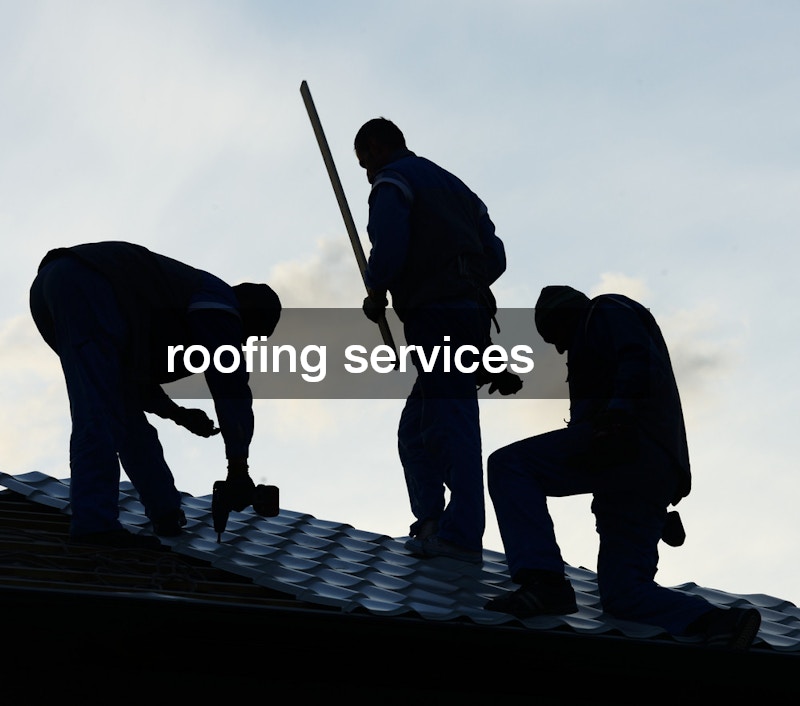
Roofs age gradually, but the damage they sustain from storms, debris, and sun exposure can accelerate that aging significantly if left unaddressed. Curling shingles, missing granules, and small leaks around flashing are early indicators that your roof needs attention. A minor repair caught early is a fraction of the cost of replacing rotted decking or dealing with interior water damage later.
Many homeowners assume roofing services are only needed after a leak appears, but the most valuable visits happen before that point. A trained eye can spot vulnerable areas, aging materials, and ventilation issues during a routine inspection. Catching these problems early often means the difference between a patch job and a full section replacement.
- Check attic spaces for water stains or daylight coming through the roof
- Look for shingles in gutters after storms
- Schedule inspections after major weather events
Maintain a Clean Roof Surface to Extend Its Lifespan
Moss, algae, and accumulated debris do more than make a roof look neglected; they actively trap moisture against roofing materials and accelerate decay. Dark streaks on shingles are often algae growth that eats away at protective granules over time. Left unchecked, this buildup can shorten the life of an otherwise healthy roof by years.
Professional roof cleaning services use techniques designed to remove buildup without damaging shingles or voiding manufacturer warranties, unlike aggressive pressure washing. Regular cleaning also makes it easier to spot developing issues, since debris and grime often hide small cracks or lifted shingles. Homeowners in humid or heavily wooded areas benefit especially from a cleaning schedule every one to two years.
- Avoid DIY pressure washing, which can strip protective coatings
- Trim overhanging branches to reduce debris and shade that encourages moss
- Clean gutters regularly to prevent water backup under roofing edges
Choose Qualified Professionals for Roof Repairs and Replacement
Not every roofing job is created equal, and the quality of materials and workmanship makes a significant difference in how long a repair actually lasts. Vetting local roofing contractors before hiring means checking licensing, insurance, and verifiable reviews rather than choosing based on price alone. A poorly installed repair can fail within a single storm season, leading to repeat costs and potential interior damage.
Ask potential contractors detailed questions about warranty coverage, project timelines, and the specific building materials they plan to use for your home. Quality shingles, underlayment, and flashing components cost more upfront but typically outlast cheaper alternatives by many years. A contractor who is transparent about material choices and willing to explain tradeoffs is usually a safer long-term bet.
- Verify licensing and insurance before signing any contract
- Request itemized quotes that specify materials and labor separately
- Ask for local references and photos of completed projects
Service Your Heating System Before Cold Weather Arrives
Furnaces and heat pumps rarely fail without warning; they typically show signs of strain through unusual noises, uneven heating, or rising energy bills. Waiting until the first cold snap to test your system often means discovering a failure at the least convenient time. Annual maintenance keeps components clean, calibrated, and less likely to break down when you need heat most.
Scheduling local heating repair before the temperature drops gives technicians time to address issues without the pressure of an emergency call. A pre-season tune-up typically includes checking the heat exchanger, testing thermostat accuracy, and inspecting electrical connections. Homeowners who stick to this schedule often save significantly on both repair costs and monthly energy usage.
- Replace air filters every one to three months during heavy use
- Listen for banging, rattling, or squealing sounds during startup
- Keep vents and returns clear of furniture and debris
Prepare Your Cooling System for Summer Demand

Air conditioning units work hardest during peak summer months, and any existing inefficiency becomes obvious fast when temperatures climb. Warning signs include weak airflow, warm air blowing from vents, or short cycling where the unit turns on and off frequently. These symptoms often point to refrigerant leaks, dirty coils, or failing compressors that only get worse with continued use.
Booking air conditioning services in spring, before the demand rush begins, means shorter wait times and lower risk of a mid-summer breakdown. Routine maintenance visits typically include coil cleaning, refrigerant level checks, and electrical component testing that catch small problems early. A well-maintained system also runs more efficiently, which shows up as real savings on monthly utility bills.
- Clean or replace filters at the start of cooling season
- Keep outdoor units free of leaves, dirt, and overgrown vegetation
- Note any unusual smells or noises when the system starts up
Address Drainage and Grading Issues Around Your Foundation
Water pooling near a home’s foundation is one of the most overlooked causes of long-term structural damage. Poor grading directs rainwater toward the house instead of away from it, gradually weakening soil support and increasing the risk of basement leaks or foundation cracks. This kind of damage develops slowly, which is exactly why it often goes unnoticed until repair costs become substantial.
In some cases, correcting the problem requires more than surface-level fixes like gutter extensions or French drains. Hiring an excavation company to regrade the property or install proper drainage systems addresses the root cause rather than masking symptoms temporarily. This kind of investment protects not just the foundation but also the septic system and driveway from ongoing water damage.
- Check that ground slopes away from the foundation on all sides
- Extend downspouts at least five feet from the house
- Watch for standing water 24 hours after heavy rain
Repair Driveway Cracks Before They Spread Underground

A cracked driveway is more than a cosmetic issue; it is often a sign of shifting soil, poor drainage, or freeze-thaw damage happening beneath the surface. Small cracks allow water to seep into the base layer, where it can freeze, expand, and cause much larger structural failures over a single winter. Addressing these cracks early prevents the kind of deep damage that eventually requires full replacement.
Reputable driveway contractors can evaluate whether sealing, patching, or a more comprehensive repair is the right call for your specific situation. They can also identify whether nearby drainage problems are contributing to the damage, which ties directly back to overall property grading. A driveway that is properly maintained typically lasts decades longer than one left to deteriorate untouched.
- Seal asphalt driveways every two to three years
- Fill small cracks before winter to prevent water infiltration
- Watch for uneven settling, which may indicate a drainage problem
Preventable home system failures share a common thread: they almost always give warning signs before becoming full-blown emergencies. Paying attention to those signs, sticking to maintenance schedules, and working with qualified professionals turns unpredictable, expensive breakdowns into manageable, budgeted expenses. Start by walking through your own property this week and checking for the early indicators mentioned throughout this guide. A little attention now is the most reliable way to stop wasting money on problems that were entirely avoidable.