Utility bills are more than an unavoidable home expense. They reflect your property’s physical health, structural integrity, and mechanical efficiency. Rising energy and water costs indicate energy loss through cracks, heating systems overworking due to poor insulation, or water leaks. Homeowners often try to reduce costs with small habits like turning off lights or taking shorter showers. While these are helpful, they don’t address the main issue: systemic inefficiency. Failing infrastructure, outdated equipment, and lack of thermal protection can cost you hundreds annually. To effectively lower your utility bills, focus on high-yield, systemic solutions. Combining proactive maintenance with targeted structural upgrades can optimize your home’s resource use.
Seal and Insulate the Hidden Pathways of Your Airflow
Your heating and cooling systems depend on ducts to distribute conditioned air in your living spaces. Over time, settling, expansion, and aging can cause ducts to pull apart, crack, or collapse. The average home loses about 20% to 30% of conditioned air through duct leaks before reaching the registers.
To reclaim this lost energy, you can perform a basic physical inspection of your attic, basement, or crawlspace:
- Look for visual disconnects: Inspect metal joints and flexible duct lines for physical separation or crushed sections.
- Identify dust streaks: Look closely at the seams of your ducts. Dark, dusty streaks indicate where pressurized air is escaping, pulling dusty ambient air through the cracks.
- Feel for air movement: Turn your system fan on and run your hand along the seams to feel for escaping air currents.
Once you identify these leaks, do not use standard plastic duct tape, which degrades rapidly under thermal stress. Instead, seal small joints with mastic duct sealant or high-quality foil tape. For major gaps, crushed runs, or hard-to-reach leaks behind finished drywall, utilizing a professional air duct cleaning and repair service is the most effective way to restore structural integrity and balance pressure throughout your home.
Know the Exact Threshold for Upgrading Aging Equipment
Running an outdated heating or cooling system is a financial drain. To decide on repairing or replacing an older system, use the “Rule of 5,000.” Multiply the unit’s age by the repair cost. If the result is over 5,000, replacing it is usually more economical. For example, a 12-year-old system needing a $450 repair results in 5,400; replacement is the wiser option.
When looking at replacements, pay close attention to modern efficiency standards. Air conditioners are rated by their Seasonal Energy Efficiency Ratio 2 (SEER2) rating, which measures the cooling output divided by the total electric energy input over a typical cooling season.
- Older systems operating in homes today often carry a SEER rating of 10 or lower.
- Modern base-model units must meet strict regional minimums, often starting at SEER2 14.3 or higher.
- Upgrading from an old SEER 10 system to a high-efficiency SEER2 16+ unit can slash your cooling electricity usage by up to 30%.
To maximize these savings and ensure your new system is sized perfectly for your home’s square footage, look into professional air conditioning replacement services that can perform a formal load calculation before installation.
Upgrade to Modern Insulated Exterior Shielding
Your home’s exterior walls represent a massive surface area where heat transfer occurs. Traditional wood studs act as thermal bridges, meaning heat easily travels directly through the solid wood framing of your walls, bypassing the insulation stuffed between the studs. This process can account for a significant amount of winter heat loss and summer heat gain.
Installing modern exterior cladding with integrated foam backing creates a continuous thermal break around your home. This barrier stops thermal bridging in its tracks, keeping your interior temperatures stable. When evaluating options for siding replacements, compare materials based on their thermal resistance, known as R-value:
- Standard vinyl siding: Offers practically no insulating value, with an R-value ranging from 0.6 to 1.0.
- Fiber cement siding: Extremely durable and fire-resistant, but typically provides an R-value of only 0.15 to 0.5 on its own unless paired with separate exterior foam sheathing.
- Insulated vinyl siding: Features a rigid foam backing contoured to the siding profile, raising the R-value to a range of 2.0 to 5.0, drastically reducing thermal transfer.
Stop Solar Heat Gain and Water Damage from the Top Down
Your roof bears the brunt of the sun’s radiant energy. On a hot summer day, solar radiation can heat a standard asphalt shingle roof to temperatures exceeding 150°F (66°C). This intense heat transfers directly into your attic space, radiating down through your ceiling and forcing your air conditioner to run endlessly.
To combat this, consider transitioning to cool roofing materials during your next major exterior upgrade. Reflective metal roofing or shingles coated with specialized, solar-reflective granules bounce solar radiation away from your home, keeping attic spaces significantly cooler.
However, reflective materials are only half the battle; proper attic ventilation is vital. Hot air naturally rises, and without a way to escape, it bakes your home from the top down. A balanced ventilation system ensures cold air enters through the lower soffit vents while hot, moist air escapes through ridge vents at the peak of your roof. Working with reputable providers of roofing services can help you optimize this airflow, preventing attic heat traps and protecting your roof deck from moisture damage.
Stop Invisible Water Leaks and Pressure Spikes
Even small, unnoticed leaks can add up to thousands of gallons of wasted water over the course of a year. A toilet tank with a worn-out flapper can silently waste up to 200 gallons of water per day without making a sound.
To run a simple, comprehensive leak check on your entire plumbing system:
- Locate your main physical water meter, usually found in a basement, utility closet, or outdoor pit near the street.
- Turn off every single water fixture, appliance, and faucet inside and outside your home.
- Look at the meter’s low-flow indicator (often a small red or blue triangle, or a digital sweep hand).
- If this indicator is spinning or the digital reading changes over a two-hour period while all water is shut off, you have a hidden leak.
If you cannot locate the source of the leak, consulting with an experienced plumbing company can resolve the issue before it damages your home’s framework.
Beyond repairing leaks, you can reduce your water heater’s energy consumption. Most manufacturers set water heater thermostats to 140°F (60°C). Lowering it to 120°F (49°C) is safe, prevents scalding, and reduces water heating standby losses by 3% to 5% annually. Installing inexpensive low-flow aerators on kitchen and bathroom faucets can cut hot water usage by up to 50%.
Maintain Your Drain Pipes to Prevent Backups and Slow Runs
Sluggish drains are more than an annoyance; they create pressure imbalances, accelerate pipe corrosion, and can lead to costly emergency repairs. Many homeowners reach for harsh chemical drain cleaners when a sink runs slow. However, these chemicals rely on intense exothermic reactions that eat away at older metal pipes, soften PVC joints, and leave behind rough residues that encourage future clogs.
Instead of chemicals, maintain your drains using physical and biological methods:
- Install mesh hair catchers: Place inexpensive mesh screens over all tub, shower, and bathroom sink drains to stop hair and soap scum before they enter your pipes.
- Perform a monthly flush: Pour a cup of baking soda down your drain, followed by a cup of white vinegar. Let it sit for fifteen minutes to break down grease and organic buildup, then flush with a gallon of boiling water.
- Avoid grease disposal: Never pour cooking fats, oils, or grease down your kitchen sink. Keep a dedicated tin or jar to collect grease, throw it in the trash once cooled, and wipe greasy pans with a paper towel before washing.
If your drains are regularly backing up, avoid DIY snaking, which can scrape and puncture weakened pipes. Instead, coordinate with licensed drain cleaning contractors for a deep clean using hydro-jetting or professional mechanical snakes to keep your drain lines running cleanly.
Eliminate Phantom Power Loads with Smart Tech

Many electrical devices continue to draw power even when turned off. This phenomenon, known as phantom load or “vampire draw,” powers internal clocks, standby lights, and remote control receivers. In the average household, phantom loads account for up to 10% of total residential electricity use.
You can easily defeat vampire draw with smart power management:
- Smart power strips: Group entertainment centers or computer workstations onto smart, programmable power strips. These strips feature a master outlet (like your TV or computer) that automatically cuts power to secondary outlets (like game consoles, audio systems, or printers) when the master device is turned off or enters sleep mode.
- Unplug seasonal chargers: Unplug brick-style chargers for power tools, vacuums, or guest room electronics when they are not actively charging a battery.
As you integrate more smart home technologies, smart thermostats, and energy-monitoring devices, you must ensure your electrical system can safely handle the load. Partnering with local electrical contractors ensures that your panel is structurally sound, up to modern code, and ready to handle sub-metering systems that track your real-time electrical usage.
Switch to Precision LED Retrofits and Smart Dimmers
Lighting represents an easy, high-ROI target for home energy reduction. If you are still using outdated incandescent or halogen bulbs, you are paying to generate heat rather than light; incandescents release 90% of their energy as heat, while halogens release about 85%.
Transitioning to Light Emitting Diode (LED) bulbs offers immediate financial payback:
- Energy savings: LEDs use up to 75% less energy than traditional incandescent bulbs to produce the same amount of visible light.
- Longevity: A standard LED bulb can last 25,000 hours or more, compared to just 1,000 hours for an incandescent bulb, saving you money on frequent replacements.
- Low heat output: LEDs emit very little heat, reducing the load on your air conditioning system during hot summer months.
To optimize your lighting savings, install smart dimmers and occupancy sensors. Occupancy sensors are highly effective in low-traffic areas like pantries, laundry rooms, and basements, ensuring lights are automatically extinguished when the space is empty. If you are retrofitting older light fixtures, installing recessed can lights, or upgrading your electrical panel to support smart lighting hubs, you can consult with local residential electricians to inspect your wiring and complete the installation safely.
Insulate and Weatherstrip Your Largest Unprotected Wall
For many homes, the garage is the single largest uninsulated area connected to the house. If you have an attached garage, the wall sharing space with your living quarters is a prime zone for thermal transfer. Additionally, if you use your garage as a workshop, laundry space, or storage area, keeping it thermally stable is highly beneficial.
The weak point of any garage is the main vehicle door. To secure this massive entryway against drafts and temperature swings:
- Inspect the bottom seal: Check the rubber gasket along the bottom of the door. If it is cracked, torn, or flattened, replace it to prevent cold air, moisture, and pests from entering.
- Install side weatherstripping: Add vinyl weatherstripping along the top and side jambs of the door frame to block outside air from entering around the perimeter.
- Choose insulated panels: If your current door is a single, uninsulated sheet of steel, upgrading to a double-layer insulated garage door with an R-value of 12 or higher can keep your garage up to 20°F warmer in the winter and cooler in the summer, protecting the shared wall of your home.
Build an Annual Preventive Maintenance Calendar
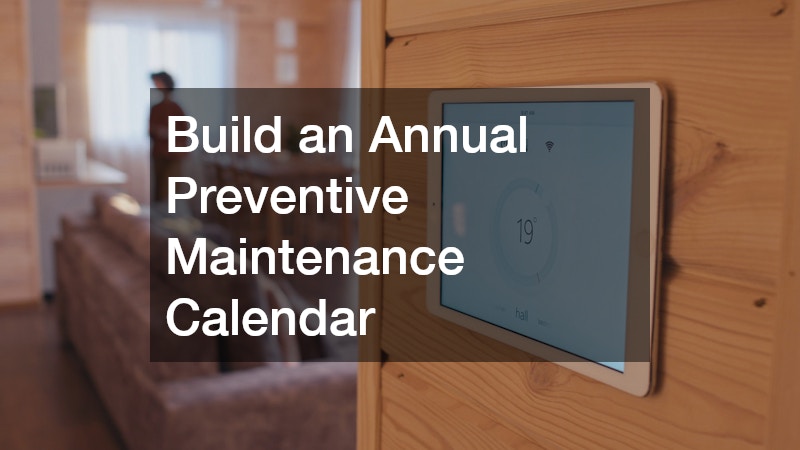
The key to maintaining low utility bills is consistency. Skipping simple, routine maintenance leads to gradual efficiency loss, which eventually results in premature equipment failure and expensive emergency service calls.
Establishing a seasonal maintenance schedule ensures your home continues to run as efficiently as possible year-round:
- Spring: Clean your air conditioner’s outdoor condenser coils, clear away leaves and debris from the unit, and inspect the condensate drain line for blockages.
- Summer: Monitor your water usage, check outdoor hose bibbs for leaks, and inspect your window seals for drafty gaps.
- Fall: Test your furnace, clean the flame sensor, and ensure all heating vents are clear of furniture and curtains.
- Winter: Inspect your attic for frost buildup, seal drafty windows with temporary shrink film, and check your water pipes for proper insulation in cold areas.
- Monthly: Swap out your HVAC air filters. Dirty filters restrict airflow, forcing your blower motor to work harder, which raises your electricity bill and shortens the lifespan of your system.
While DIY checks are highly effective, scheduling a biannual visit with a licensed HVAC contractor to keep your heating and cooling systems professionally tuned is essential to maintain peak operational efficiency and protect your warranties.
Controlling your monthly utility expenses is not about making uncomfortable sacrifices or adjusting your thermostat to freezing temperatures. It is about eliminating the waste that drains your household budget. By systematically maintaining your home—sealing leaky air ducts, upgrading to energy-efficient appliances, fortifying your exterior walls, and addressing plumbing issues—you can save money. View these tasks not as frustrating expenses, but as smart investments that pay reliable monthly dividends.